

Who is this for… and why?
Every place has a story, but the reasons for uncovering it can be very different.
You may be curious about the people who once lived in your home, looking for a distinctive way to share the story of your business, or seeking a meaningful community and social-value project connected to a building, development or neighbourhood.
You may not have considered commissioning historical research before. Often, it is only when people see what can be discovered — and the many ways those discoveries can be shared — that they recognise its value.
Choose the option that best describes you.
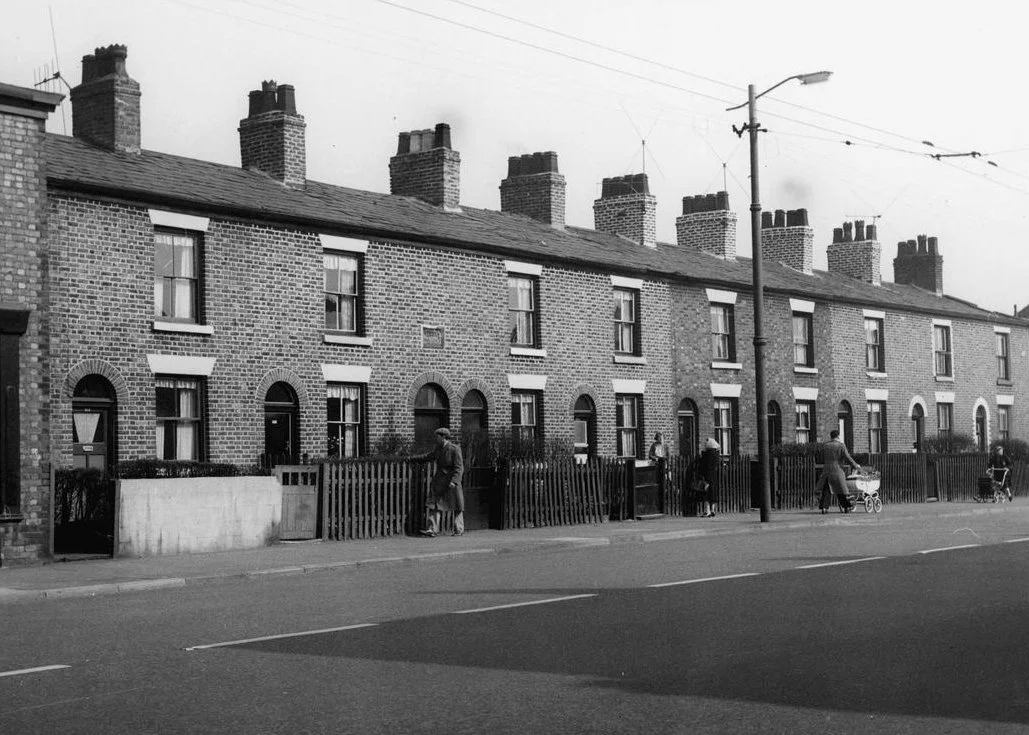
01. Your home
Discover the story of where you live.
Find out who lived in your home, how the building has changed and how the surrounding street or neighbourhood developed.
Your research could uncover former residents, previous uses, historic maps, newspaper stories, old photographs and details of the wider area. The finished story can be presented as a beautifully designed research pack, booklet, timeline or framed display.
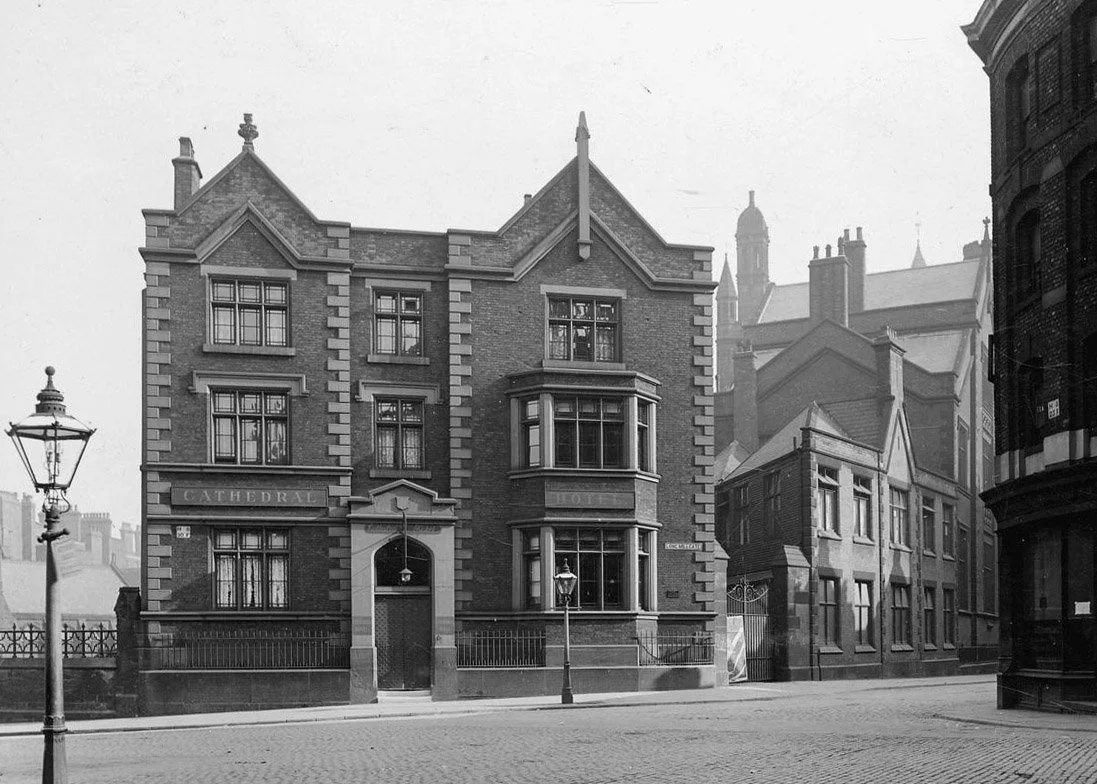
02. Your business or organisation
Bring the story of your premises to life.
The history of your building and its surroundings can give your business a stronger sense of identity and create something memorable for customers, visitors and staff.
Research can be transformed into framed displays, booklets, printed boards, timelines, website content and social-media stories. It can also help mark an anniversary, celebrate the people connected to an organisation or create a distinctive feature within a reception, restaurant, hotel, office or public space.
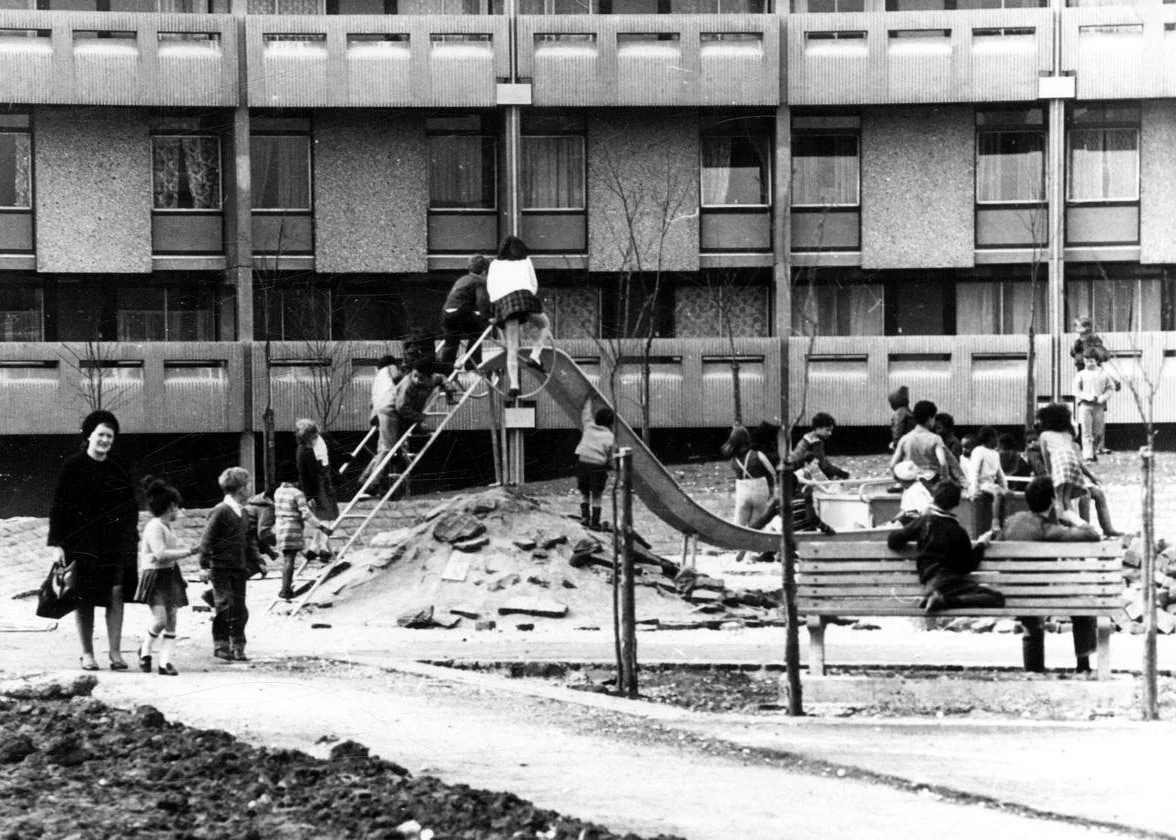
03. Development, community and social value
Create social value through the stories of place.
Place-based research can provide an accessible and engaging way to involve residents, tenants, schools and community organisations.
By combining historical research with local memories, photographs and lived experience, organisations can strengthen local identity, support placemaking and create a visible legacy for a development or existing neighbourhood.
Projects can also produce useful evidence for social-value, community-engagement and ESG reporting.
01. Discover the story of your home
Your home is more than bricks and mortar. It has been shaped by the people who lived there, the changes made to the building and the development of the surrounding area.
We can explore sources including historic maps, census records, trade directories, newspaper archives, planning information and old photographs to build a clearer picture of its past.
The research might reveal:
who previously lived or worked there
how the building was originally used
when it was constructed or altered
how the street and neighbourhood developed
former buildings, businesses or industries nearby
interesting events connected to the property or area
The results can be supplied as a digital research pack or developed into a booklet, framed display, timeline or another format that can be kept, shared or passed on.
It could also make for a fantastic present.
View our research packages and presentation options
This is a bespoke historical research service rather than a building survey, architectural inspection or formal assessment of the age and condition of the property. The information available will vary between buildings, and not every question can always be answered conclusively.
02. Bring your business or organisation’s story to life
Whether you occupy a historic building or relatively modern premises, there is often a much bigger story waiting to be discovered.
We can investigate the history of the building, the businesses and people previously associated with it, and the changing character of the surrounding area. We then turn those discoveries into engaging content that can be shared with customers, visitors, employees and the wider public.
This could include:
a framed display for a reception or communal area
a booklet for hotel guests or visitors
a timeline marking an important anniversary
printed interpretation boards
stories for a website, newsletter or social media
material for staff engagement or an internal event
research into the wider history of a company or organisation
The result is more than decoration. It can help explain why a place is distinctive, create a stronger connection with its surroundings and give people something genuinely interesting to discover and discuss.
Explore our packages and options
This is not conventional corporate copywriting or a generic company-history template. Each project is based on original research into the organisation, building, site and surrounding area. Where a formal company archive already exists, we can work with the information provided and identify opportunities for further research.
Could you support a project?
We’re interested in hearing from businesses and organisations that would like to fund or sponsor a local history project in Greater Manchester.
It might be connected to somewhere you work, an area you are investing in, a community you support — or simply a place whose story deserves to be discovered and shared.
Interested in supporting a project? Get in touch and tell us a little about what you have in mind.
03. Create social value through the stories of place
Buildings, developments and neighbourhoods are shaped not only by architecture, but by the people who have lived, worked, learned and gathered there.
Researching and sharing those stories can help developers, housing providers and major organisations demonstrate that the identity and character of a place have been understood rather than overlooked.
A project might focus on a new development, an existing housing estate, a commercial building or an entire neighbourhood. It can begin with historical research and develop into a wider programme involving residents, tenants, employees, schools and local organisations.
Support a local history project
The project does not have to be about your own building or organisation.
Businesses and other organisations can fund or sponsor research for a school, community group, neighbourhood or local organisation that might not otherwise have the resources to commission it themselves.
It can be a practical way to support local identity, education and community engagement... while creating something tangible and lasting for the people who use that place.
Click here to enquire further...
Why social value matters
Development and regeneration inevitably change places. While new investment can bring significant benefits, communities can sometimes feel that change is happening around them rather than with them - particularly where familiar buildings, businesses, identities or local stories are disappearing.
Place-based research can help bridge the gap between the past, present and future.
It can:
strengthen local identity and pride
help people feel recognised and represented
build a stronger connection between an organisation and its surroundings
create an accessible starting point for community conversations
uncover stories and characteristics that can inform design and placemaking
bring different generations and communities together
preserve photographs, memories and knowledge that might otherwise be lost
turn consultation and engagement into something visible and lasting
create distinctive content for public spaces, reports and communications
provide measurable evidence of community participation and social value
The result is not simply a record of what was there before. It can help a new or existing place feel more rooted, distinctive and connected to the people around it.
Historic England’s research indicates that engagement with heritage can support identity, belonging, pride of place, wellbeing and stronger connections within communities.
Read Historic England’s evidence on the social value of heritage
From research to participation
A project can begin with independent historical research, using sources such as maps, photographs, newspaper archives, directories and historic records.
It can also invite contributions from the people who know the place personally.
Residents, tenants, employees, pupils and community groups might contribute:
personal memories and oral histories
family or community photographs
documents and newspaper cuttings
stories about former residents and businesses
observations about important local places
ideas about which people and stories should be represented
Participation can range from a small number of interviews to a wider programme of workshops, school activities, community walks or memory-collection sessions.
Where appropriate, participants can help shape the themes and content of the finished work, rather than simply being asked to respond to something that has already been created.
Working with schools and young people
Local history can provide children and young people with a direct connection to the places around them.
A school project could involve pupils exploring old maps, studying historic photographs, interviewing family members, photographing the neighbourhood today and deciding which stories they believe should be shared.
This can help develop research, communication, teamwork and critical-thinking skills while giving young people a genuine role in shaping the story of their area.
Historic England’s research has found that engagement with local heritage can strengthen young people’s attachment to place, identity and sense of belonging. Its Heritage Schools evaluations found that 98% of participating teachers agreed that learning about local heritage had increased their pupils’ sense of place.
Explore Historic England’s research on heritage and young people
A visible and lasting outcome
Community engagement can sometimes end with a consultation report that few people outside the project team ever see.
Our aim is to help turn research and participation into something tangible, accessible and lasting.
Possible outcomes include:
interpretation boards
development hoardings
displays in receptions and communal areas
resident, visitor or school booklets
neighbourhood timelines
exhibitions and temporary installations
walking routes and community trails
digital stories and online archives
talks, presentations and launch events
content for websites, annual reports and social media
These outputs allow people to see how their contributions have been used and create a legacy that can remain within the building, development or neighbourhood.
Value for the commissioning organisation
A place-based project can provide several forms of value at the same time.
Stronger community relationships
Researching local stories gives organisations an approachable way to begin conversations with residents and stakeholders. It can reach people who may be less inclined to participate in a conventional consultation meeting.
Better-informed placemaking
Understanding the history, uses, people and character of a site can help project teams make more informed decisions about design, public spaces, interpretation, naming and identity.
A distinctive sense of place
Historical and community research can help avoid generic developments and corporate spaces. It provides authentic material that is particular to the site and cannot simply be replicated somewhere else.
Visible social-value delivery
The finished displays, publications and events demonstrate that engagement has led to a real outcome rather than ending once feedback has been collected.
Useful and reusable content
The research can support planning exhibitions, development communications, resident engagement, staff events, public relations, websites, ESG reports and future anniversaries.
A lasting legacy
The finished work can preserve community knowledge and remain available to residents, employees and visitors long after the initial development or engagement programme has ended.
Supporting social value and ESG
A properly planned project can help an organisation demonstrate investment in community participation, local identity and the cultural life of a place.
The project can be designed around agreed and measurable commitments, such as:
the number and range of people involved
workshops, interviews or community events delivered
school pupils or community organisations engaged
oral histories, photographs and documents recorded
volunteer or participant hours
public displays and resources created
exhibition attendance or booklet distribution
digital engagement
participant feedback
evidence of how community contributions influenced the finished outcome
This information can support tender commitments, project evaluations, community-investment reports and wider ESG communications.
The UK Government’s Social Value Model requires relevant commitments within applicable central-government procurement to be specific, measurable and time-bound. It also recognises engagement, collaboration and co-creation with communities as ways in which social-value outcomes may be delivered.
Read the UK Government Social Value Model
Read the government guidance on the Public Services (Social Value) Act 2012
Planning, local character and heritage
Understanding the history and character of a place can also be relevant to planning and development.
The National Planning Policy Framework states that design guidance should reflect local character and design preferences and should be based on effective community engagement. It also encourages development to make a positive contribution to local character and distinctiveness.
Where a development may affect a designated or non-designated heritage asset, applicants can be required to describe its significance, including the contribution made by its setting, and assess the likely effect of the proposals.
Read the National Planning Policy Framework guidance on well-designed places
Read the National Planning Policy Framework guidance on the historic environment
Read the government’s Planning Practice Guidance on the historic environment
The historical research, maps, images and stories produced by Your Place Revealed can provide a valuable starting point and evidence base. Where formal heritage, planning or legal documentation is required, we can work alongside an appropriately qualified heritage consultant or other specialist.
Who could this be for?
This approach may be particularly valuable for:
property developers
housing associations and registered providers
construction companies
regeneration partnerships
local authorities and public bodies
universities and educational institutions
cultural and community organisations
businesses with ESG or social-value commitments
owners and occupiers of historic buildings
organisations investing in existing estates and neighbourhoods
Begin with the research… and build from there
A project does not need to begin as a large community-engagement programme.
The first stage can simply be to uncover the history, development and character of the place. Once the research is complete, it can provide the foundation for further work involving residents, schools, specialist consultants or the wider community.
This gives organisations the flexibility to commission the initial research first and then decide how the discoveries should be shared, developed or incorporated into a wider project.
Talk to us about social value, community engagement and your place... get in touch.
Please note: historical research does not, by itself, automatically fulfil an organisation’s planning, housing, procurement, social-value or ESG obligations. Every project should be shaped around the commissioning organisation’s particular objectives, commitments and reporting requirements.
Your Place Revealed does not provide legal advice or formal heritage-planning assessments, but we can work alongside appropriately qualified heritage, planning and community-engagement specialists where required.