

Mayfield Park
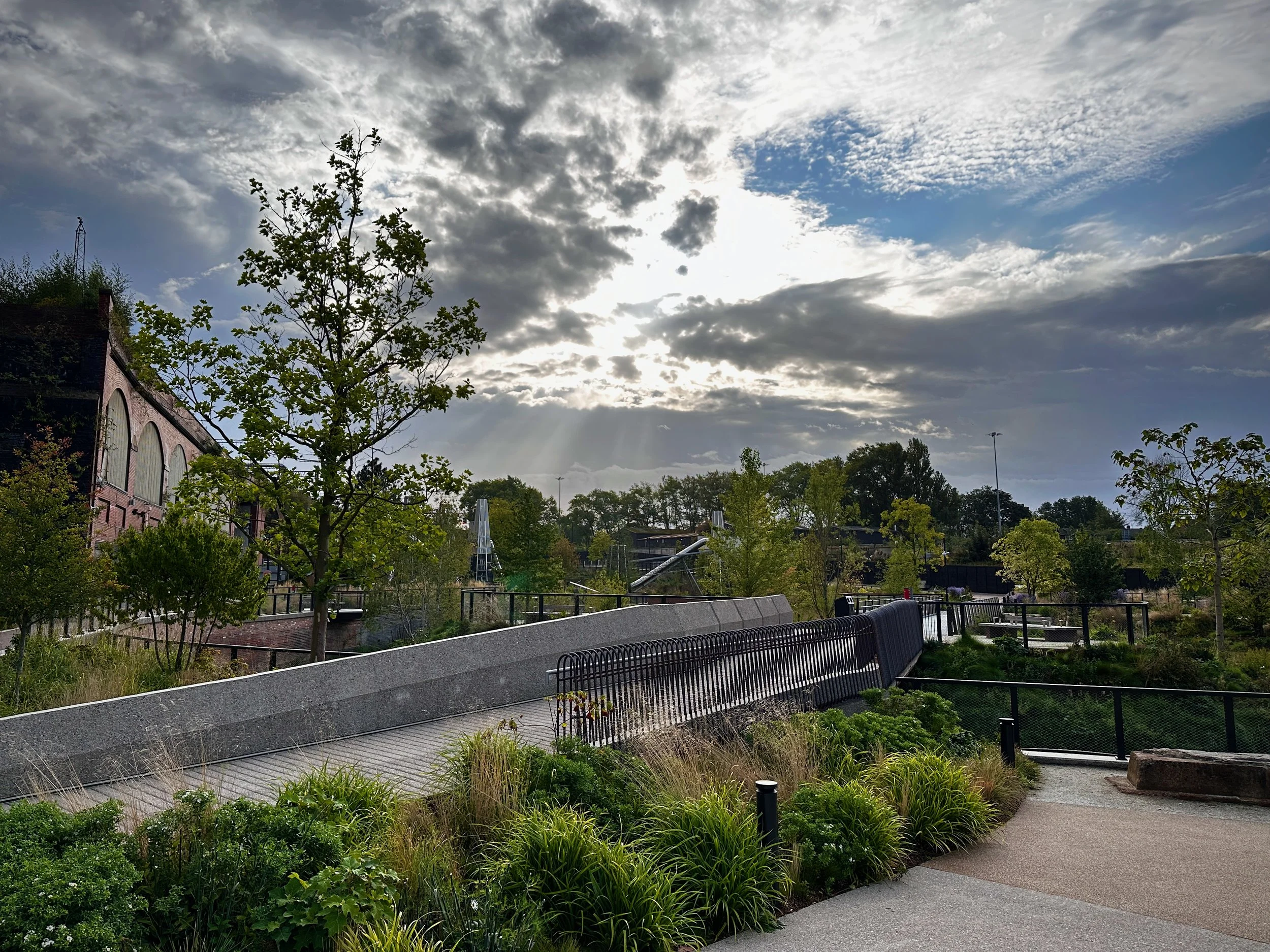
The research here was for a major 10,000 word study of a redevelopment area of 24 acres. This involved a deep dive through all the resources available from old maps, deeds and contemporary accounts to reveal a comprehensive picture of the story of Mayfield up to the present day.
What was uncovered was incredibly rich. It starts with fields of tenter hooks (used to dry textiles and the origin for the expression being on tenter hooks but really hits the news as the host for one of the mightiest industrial enterprises in the world, Thomas Hoyle’s textile printing works. Then there’s the arrival of Mayfield Station and on to 21st century blossoming with Mayfield Park.
Countless heads of states and other prominent people including a Prime Minister and a US president (a useless one) came to view Hoyle’s works. Terraced housing grew up around the factory and the owners sponsored a public baths. This is where George Poulton promoted swimming by performing tricks such as smoking underwater – well sort of.
As an example of the way Your Place Revealed can inform projects, one of the first phases of commercial development at Mayfield is a ten storey building called The Poulton.
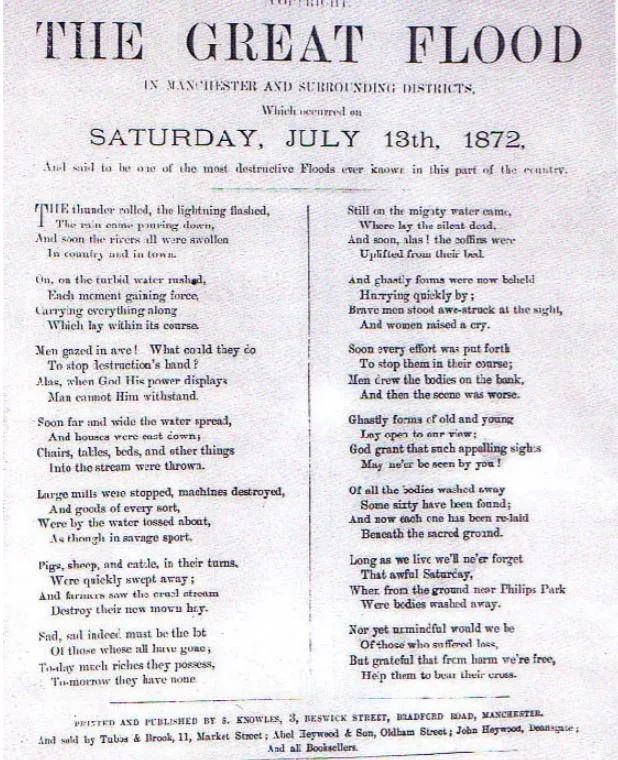
The River Medlock flood
In July 1872, after two days of torrential rain, the River Medlock burst its banks with devastating consequences. The flood swept through Bradford Cemetery, disinterring dozens of bodies, many of which were later recovered around Mayfield and Fairfield Street.
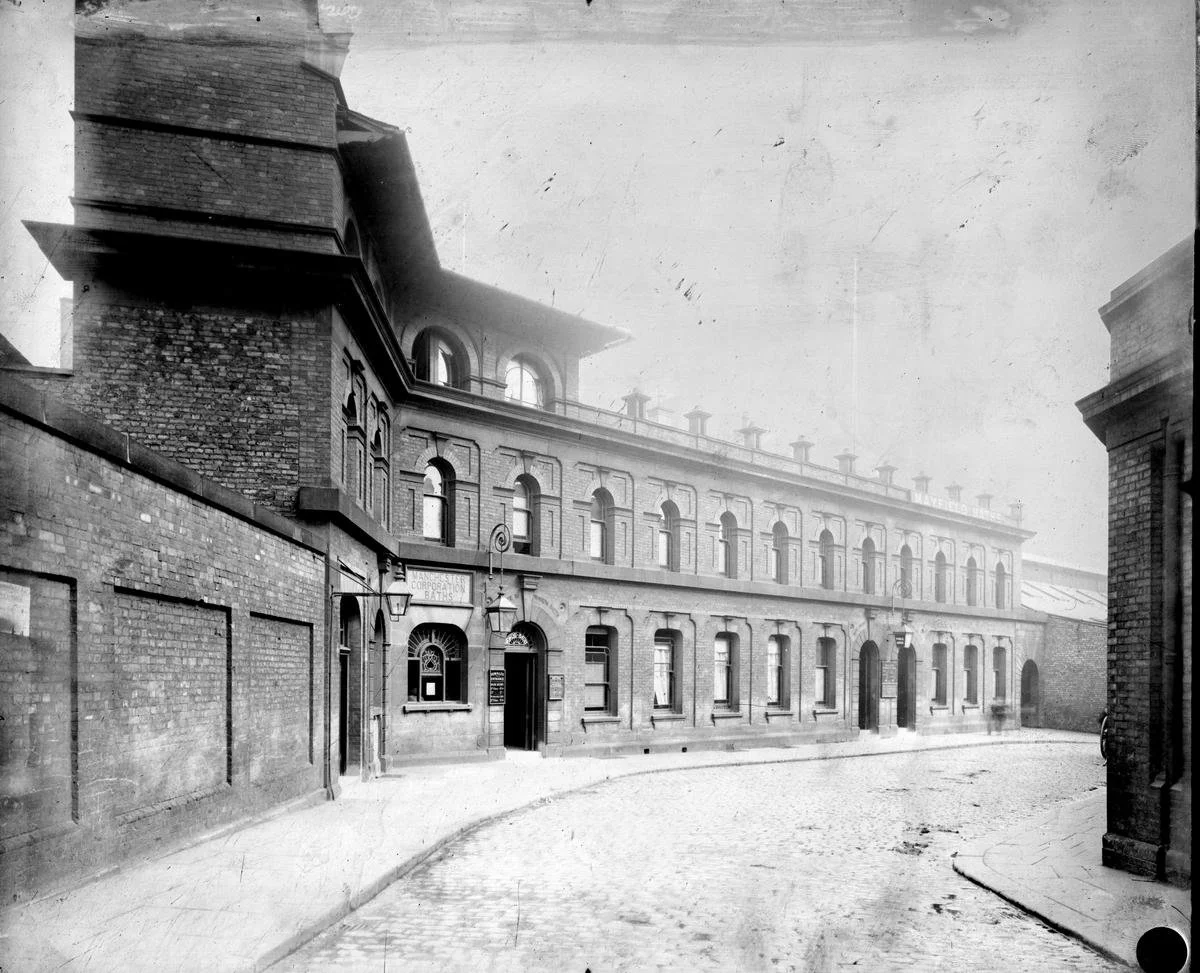
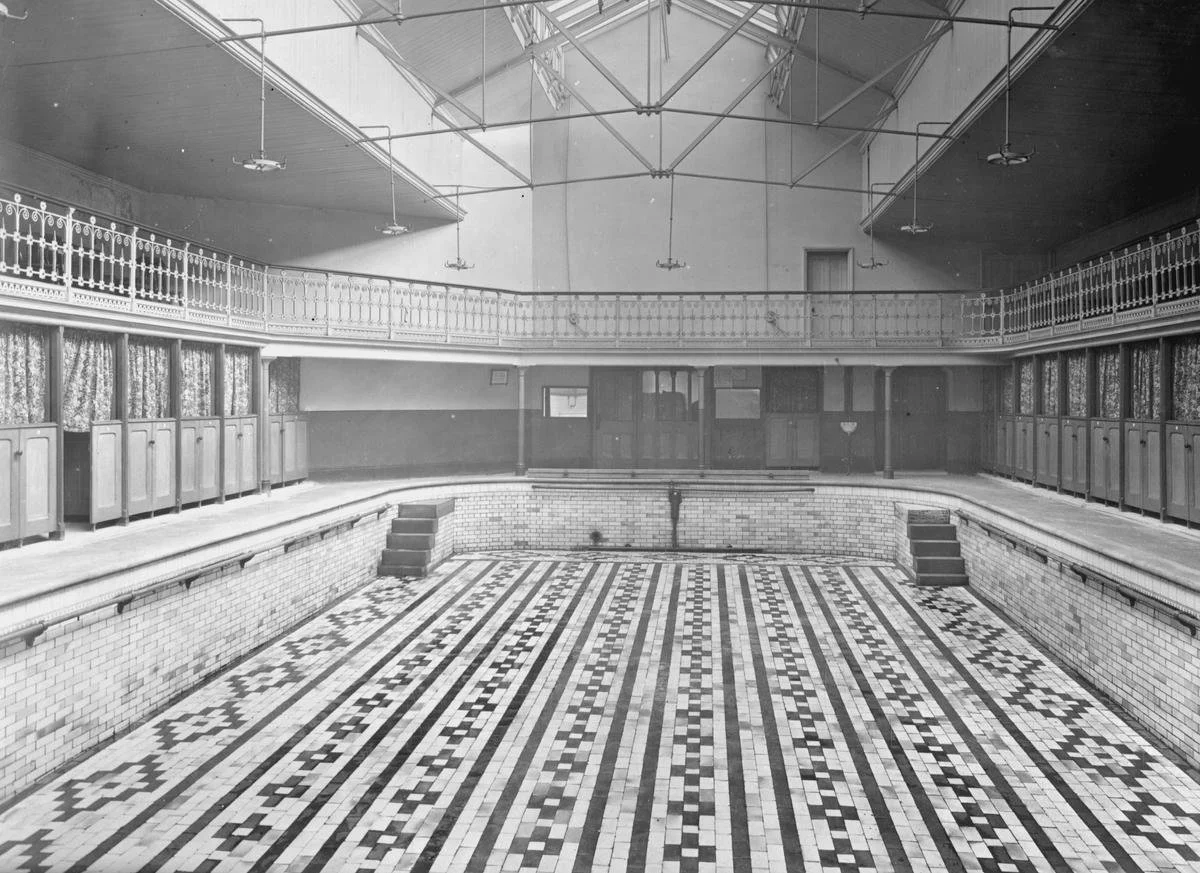
Mayfield Baths
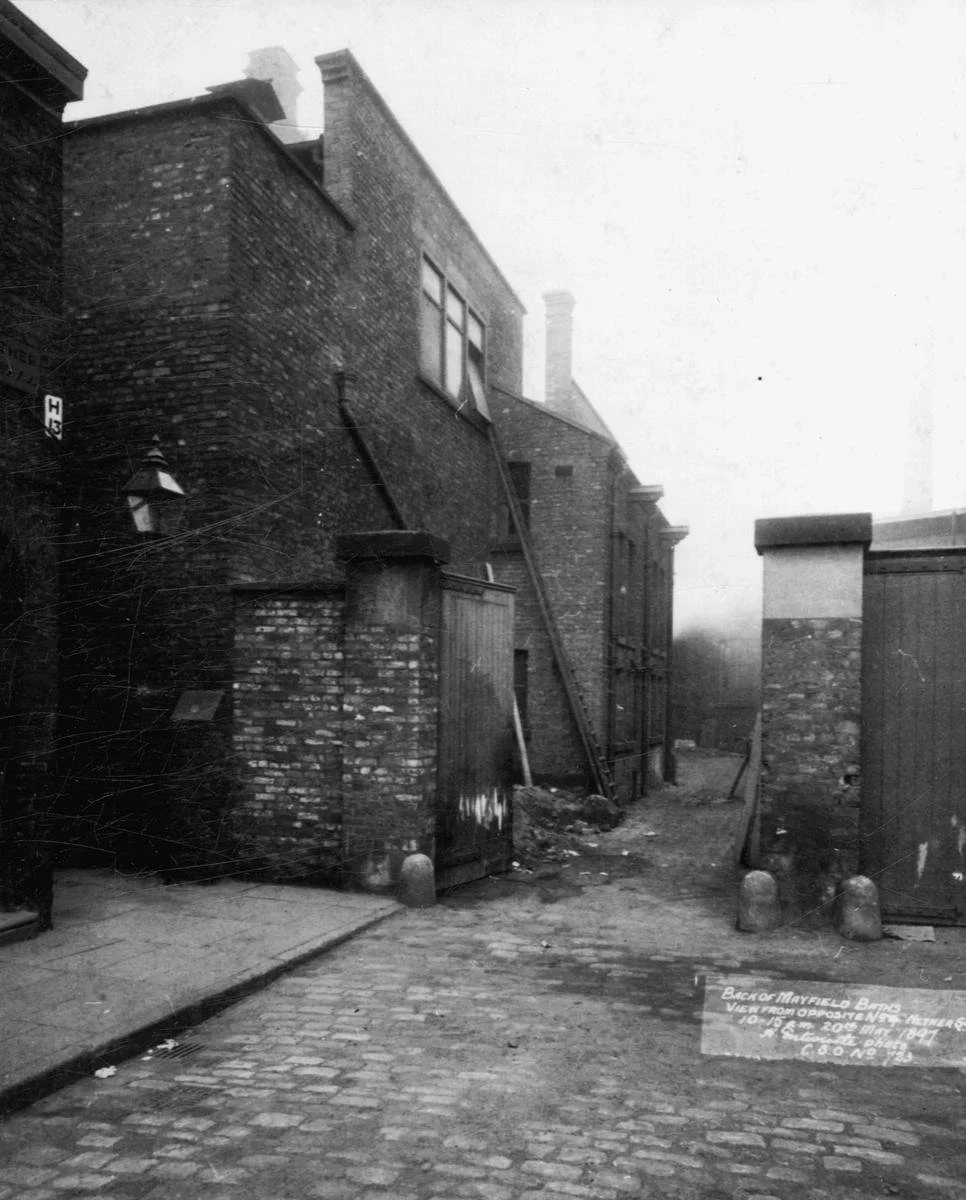
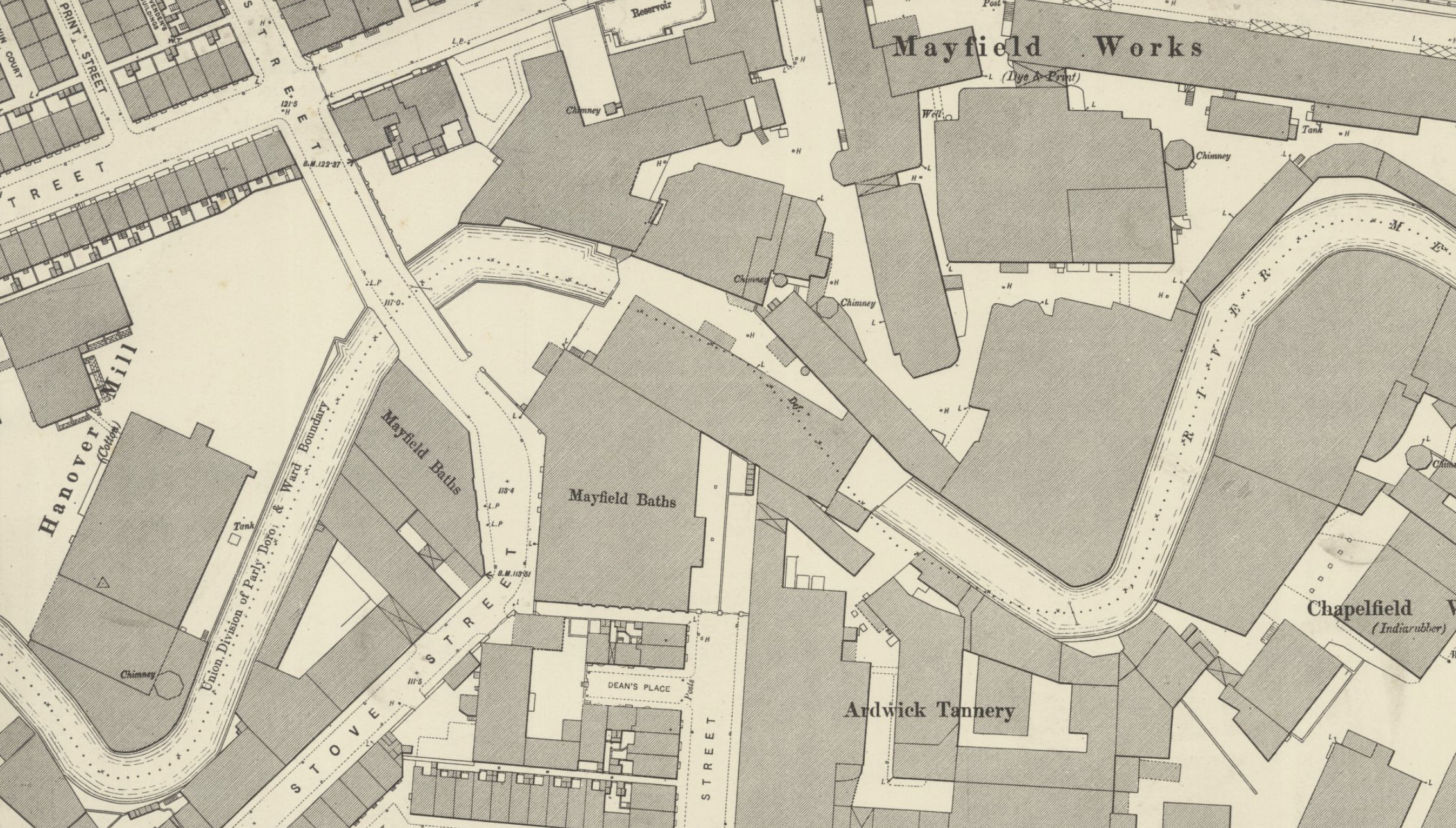
One of the stories uncovered through the Mayfield research project was the history of Mayfield Baths. Opened in 1858, the building was part social reform, part civic amenity and part architectural statement, designed by Thomas Worthington to serve a fast-growing industrial district. Its story takes in public health, recreation, swimming displays, water polo and, finally, wartime destruction, after the baths were damaged during the Christmas Blitz and never reopened.
Mayfield Station: goodbye and good riddance
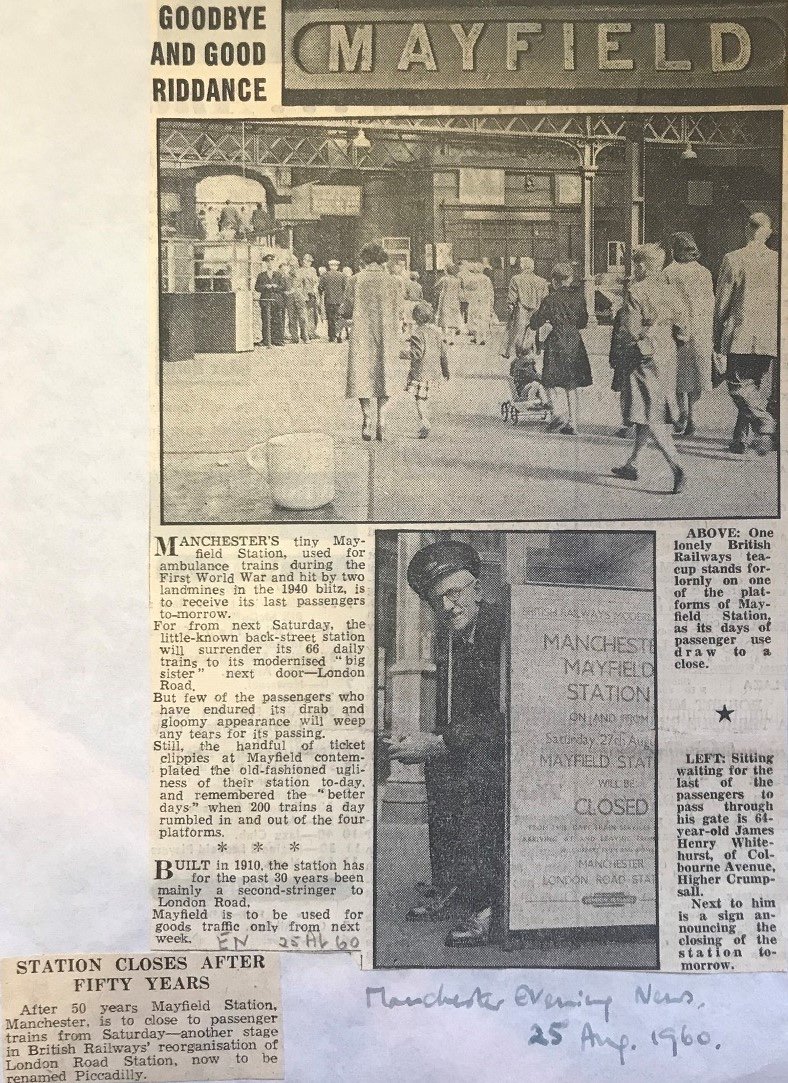
Among the archive material uncovered for the Mayfield project was a 1960 Manchester Evening News cutting marking the closure of Mayfield Station to passengers. The headline was blunt - “Goodbye and good riddance” - but the story behind it was richer: a back-street station opened in 1910, used for wartime ambulance trains, damaged in the Blitz, and finally absorbed into the shadow of its bigger neighbour, London Road, soon to become Manchester Piccadilly.