

Research options
Every project begins with research.
The starting point is a place-based research pack: a clear, engaging PDF report exploring the history of a building, site, street or neighbourhood. This is the core offer, and for many clients it may be all they need.
The research can look at historic maps, archive photographs, newspaper articles, directories, planning records, former uses, previous buildings, local industries, past occupiers and the wider story of the surrounding area. The aim is to piece together a readable and visually interesting story of place, showing how a location has changed over time and why it matters today.
From there, the research can be developed in different ways depending on how you want to use it. Some clients may simply want a private report. Others may want material for a website, social media, visitor information, framed displays, heritage panels, printed booklets, exhibitions, development hoardings, staff engagement or public-facing storytelling.
Additional options can include historic map comparisons, then-and-now photography, image-led displays, printed material, web copy, social media content, talks, guided walks or more detailed research into a particular theme, building, person, business or period.
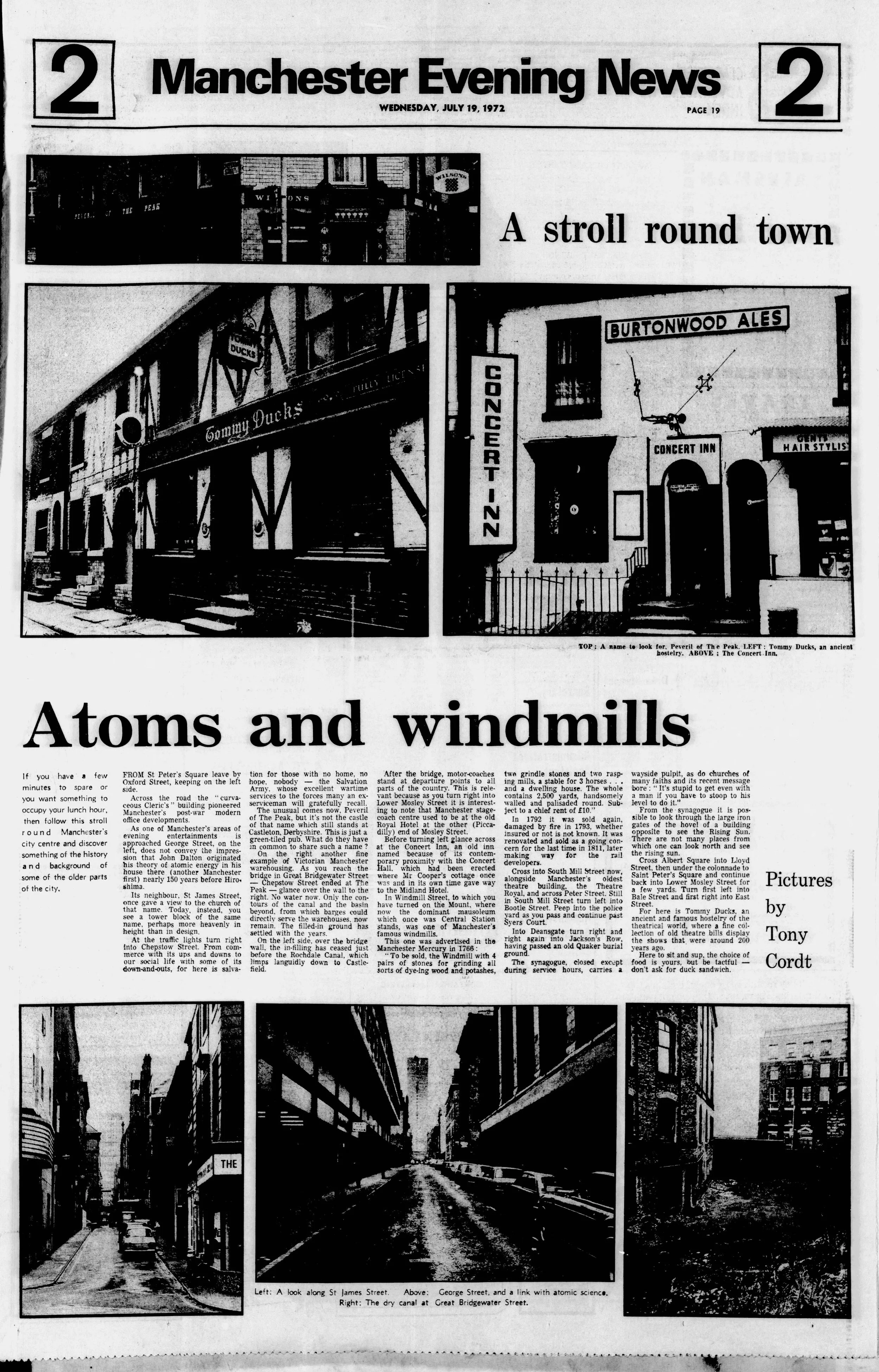
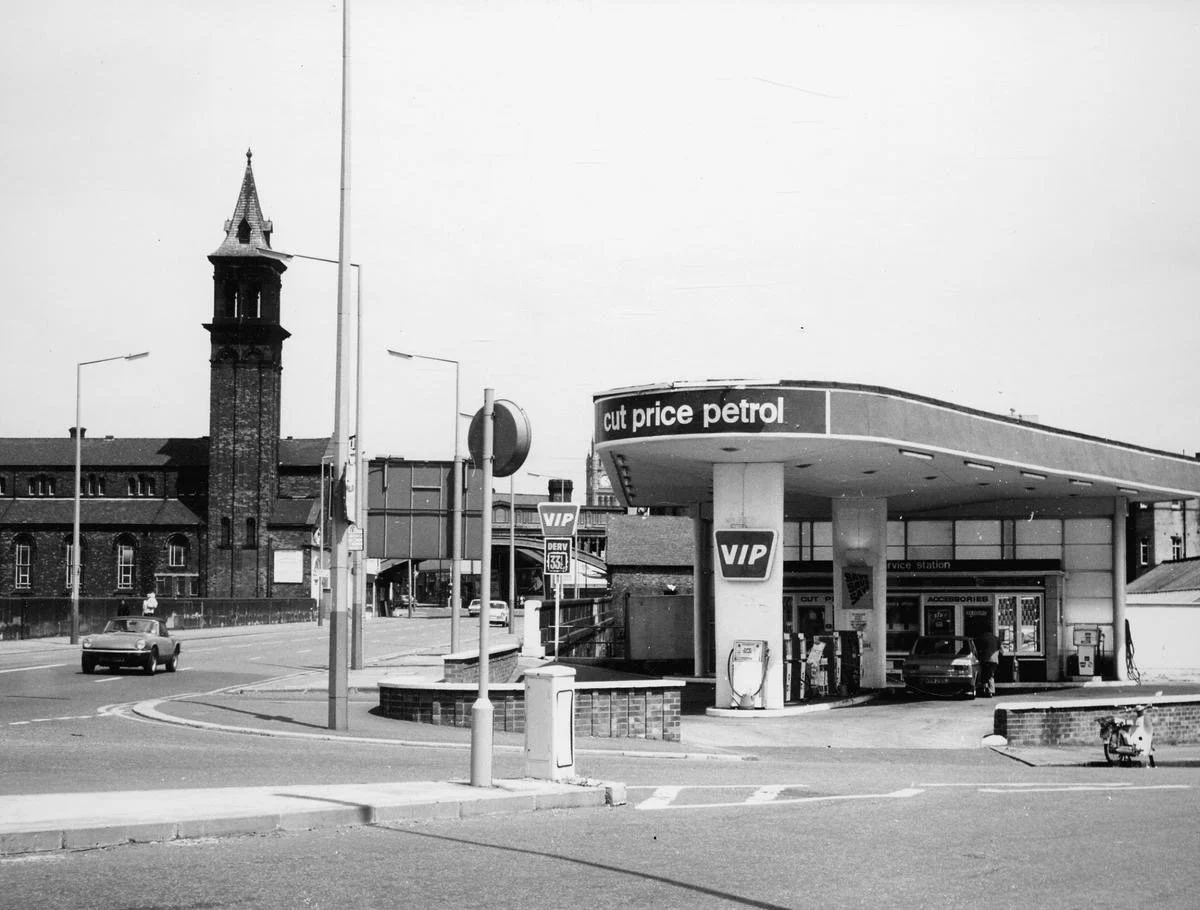
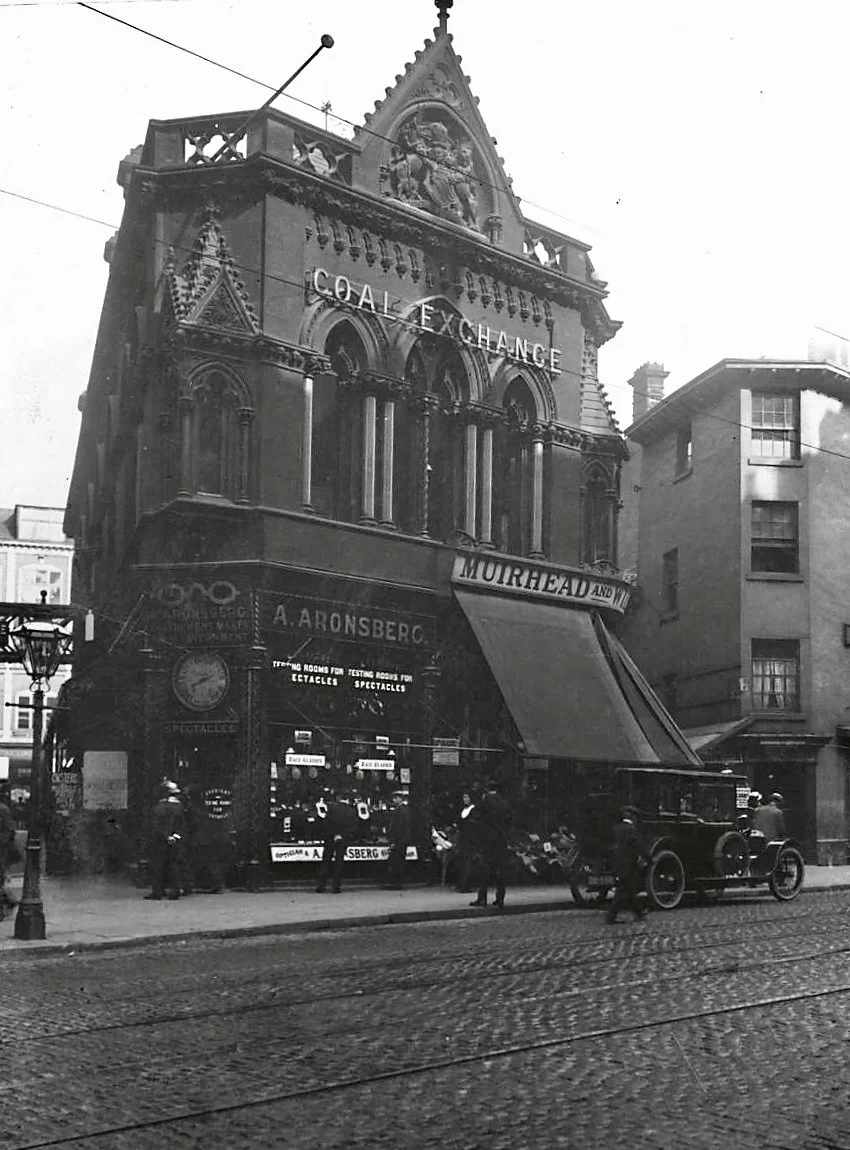
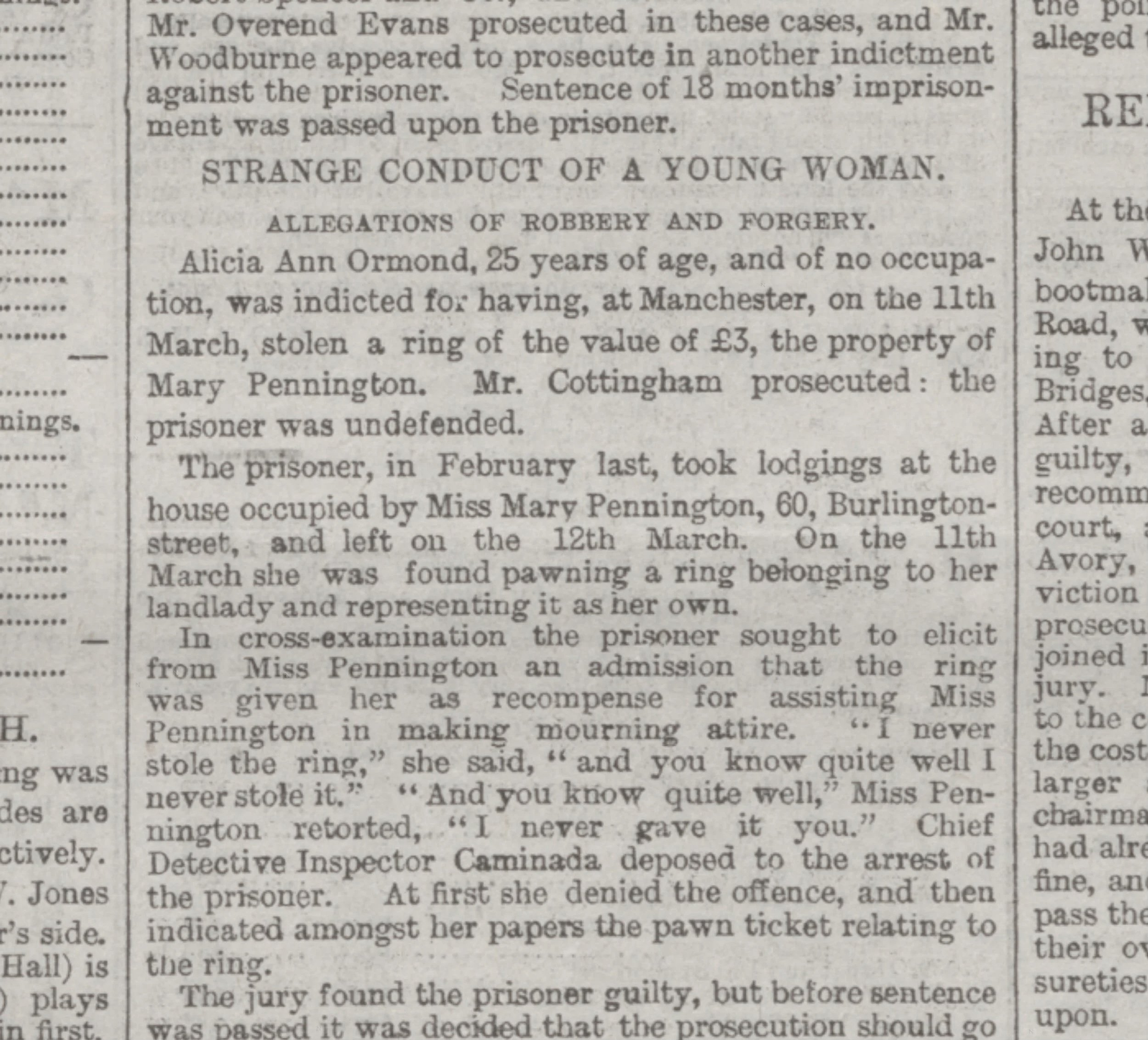
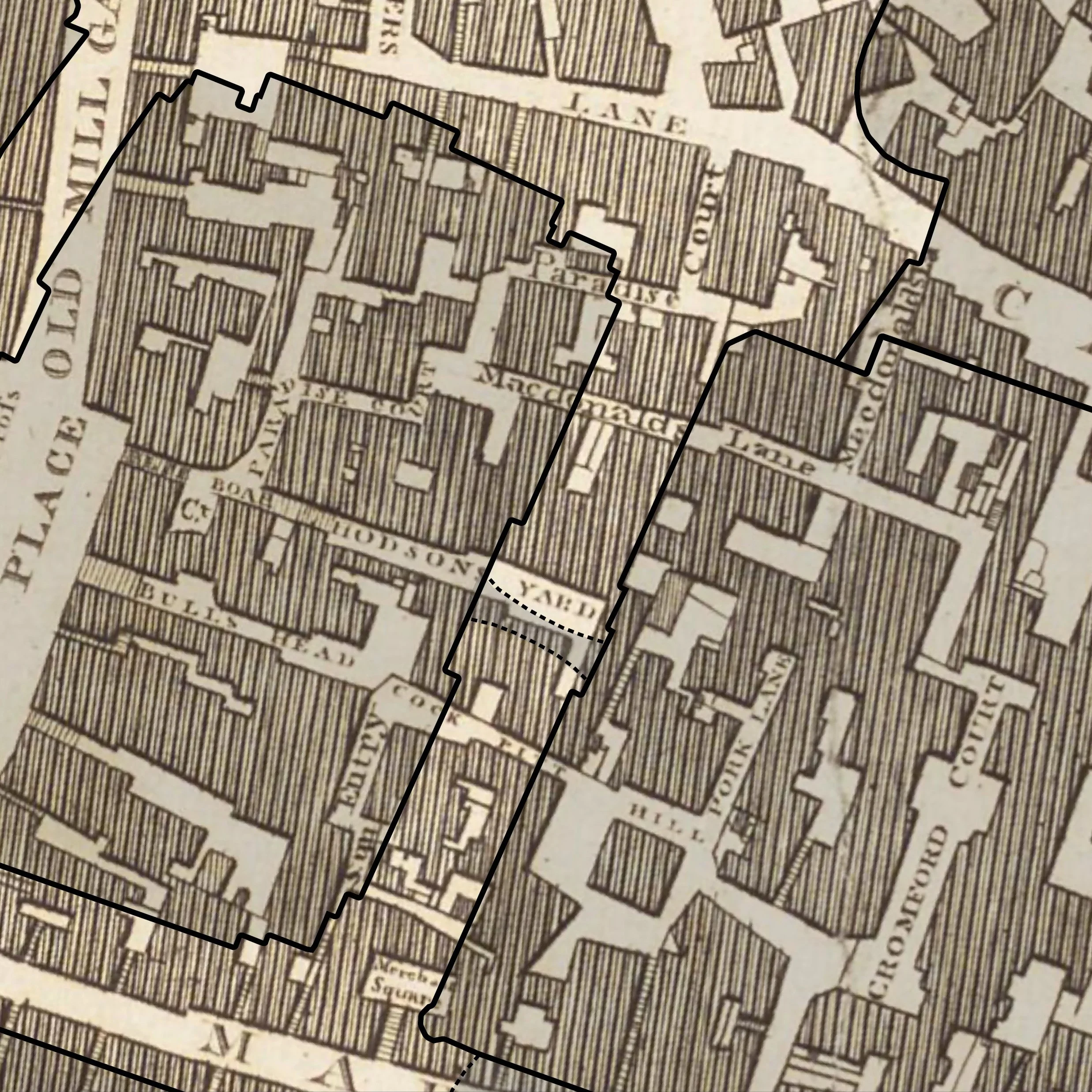
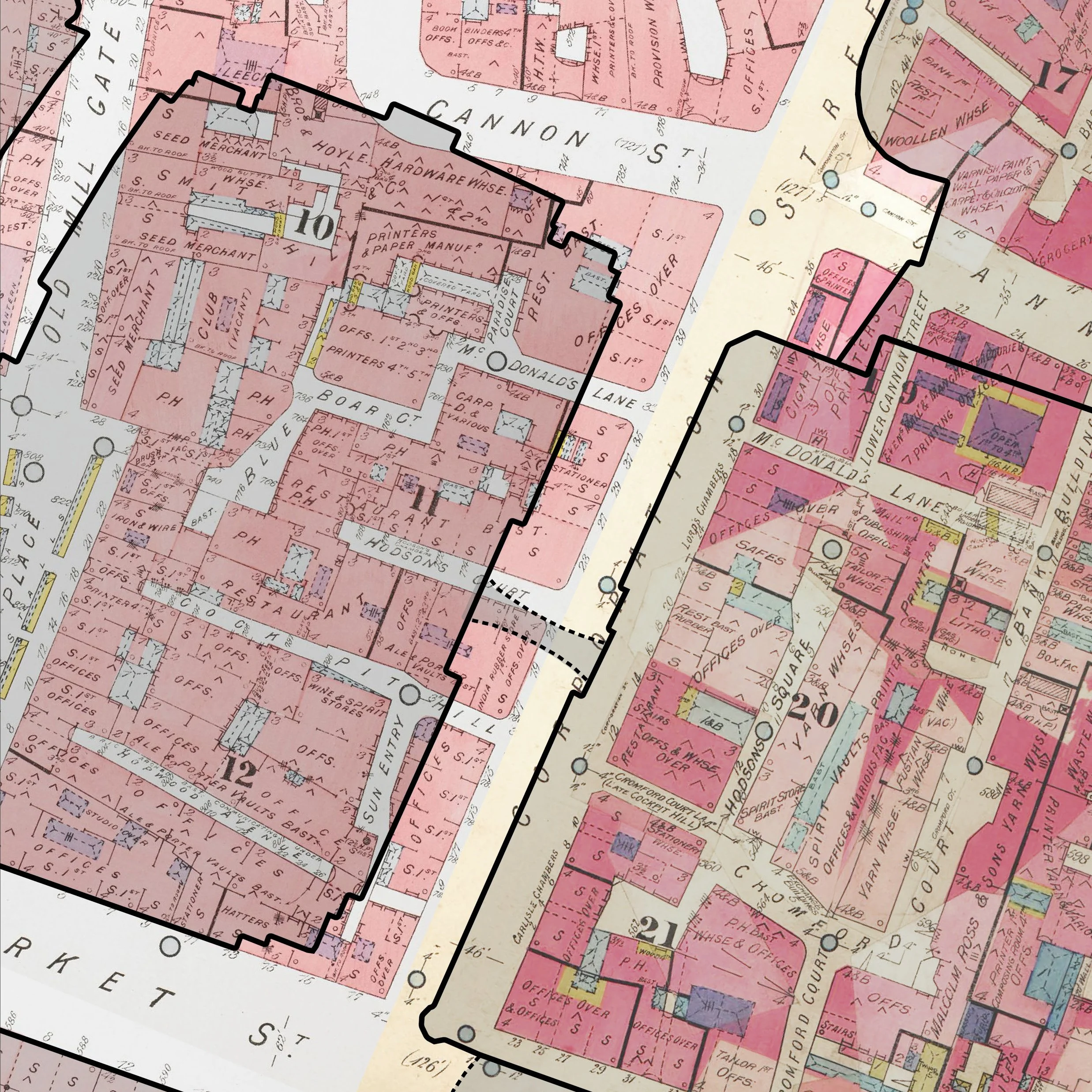
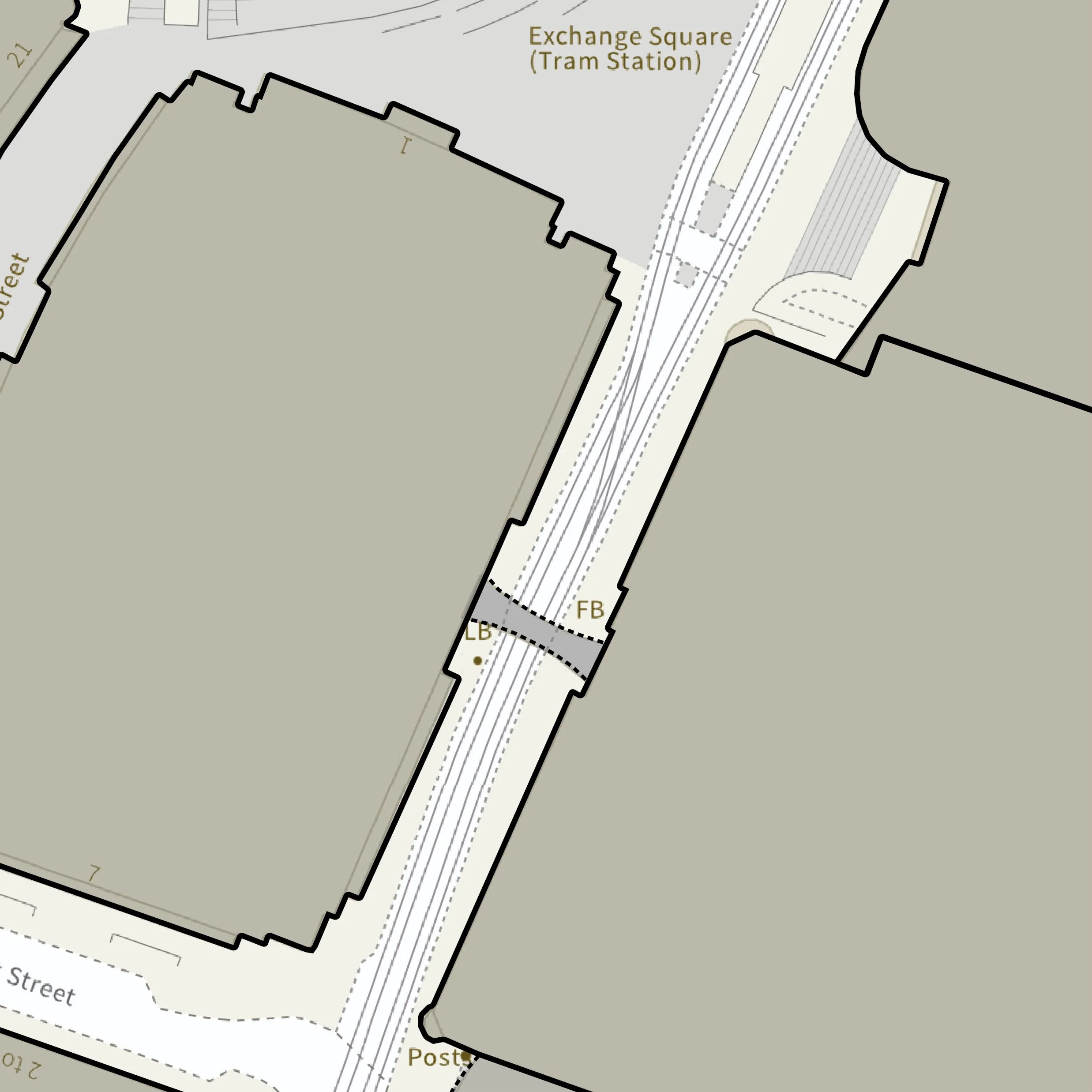
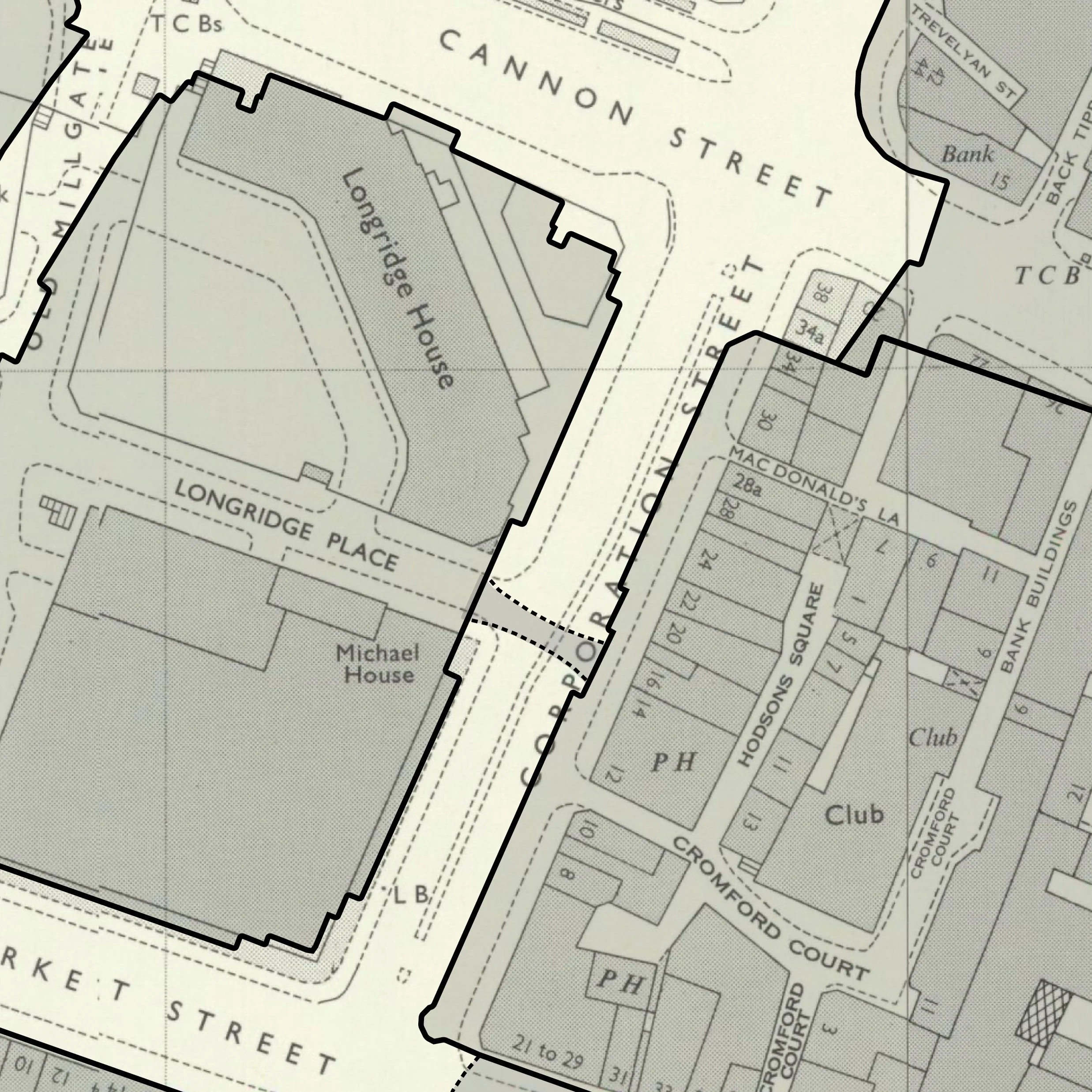
Everyone loves maps. They let us see a place differently.
As part of the research, we use a wide range of historic maps of Manchester, from the mid-17th century through to the present day. What makes them especially fascinating is the ability to follow one site, street or neighbourhood through time — watching buildings appear and disappear, streets change shape, industries move in and out, and whole areas take on new identities.
By comparing historic maps with today’s buildings and streets, we can place the past back into its modern context, helping people understand not just what used to be there, but how it relates to the place they know now.
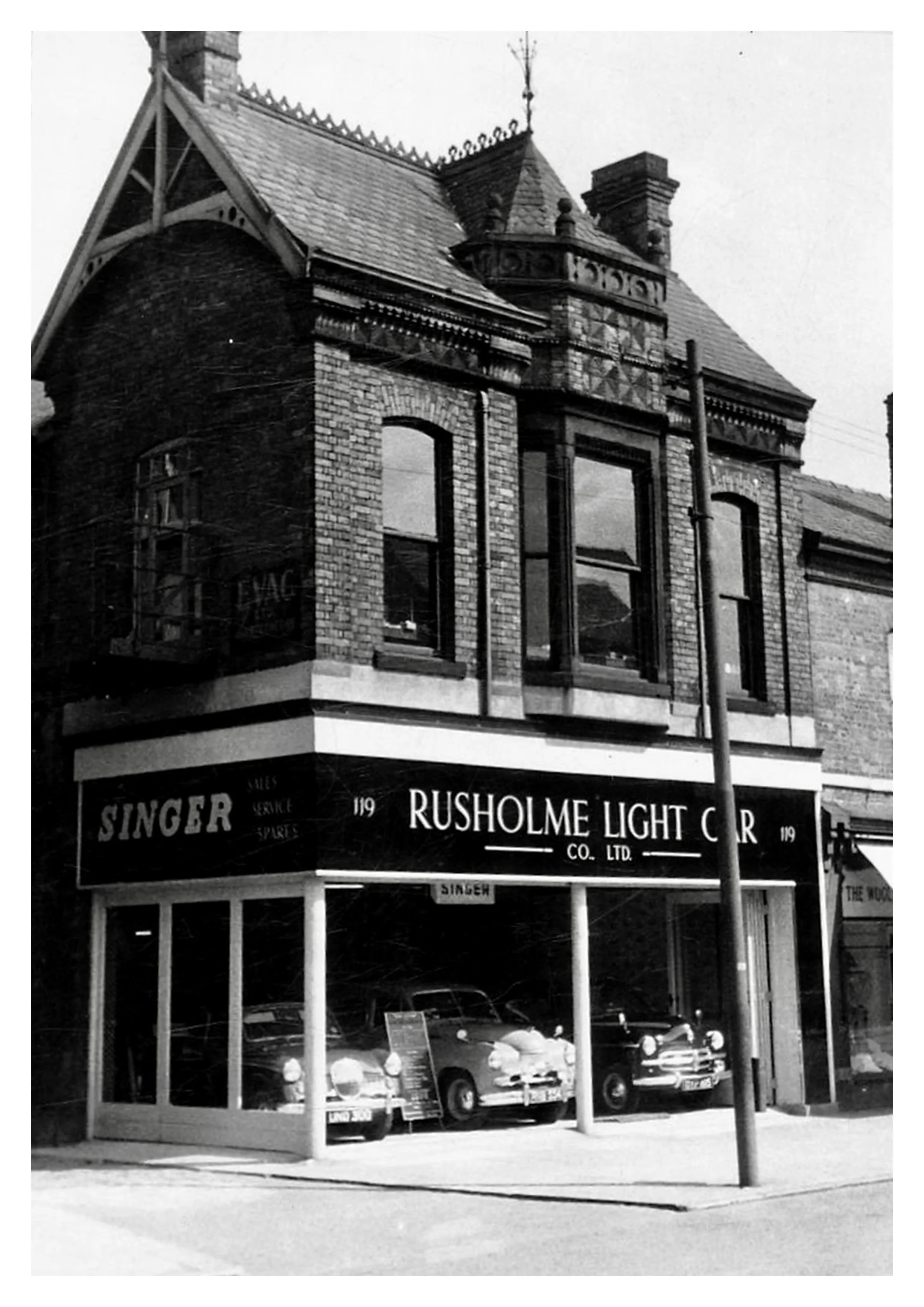
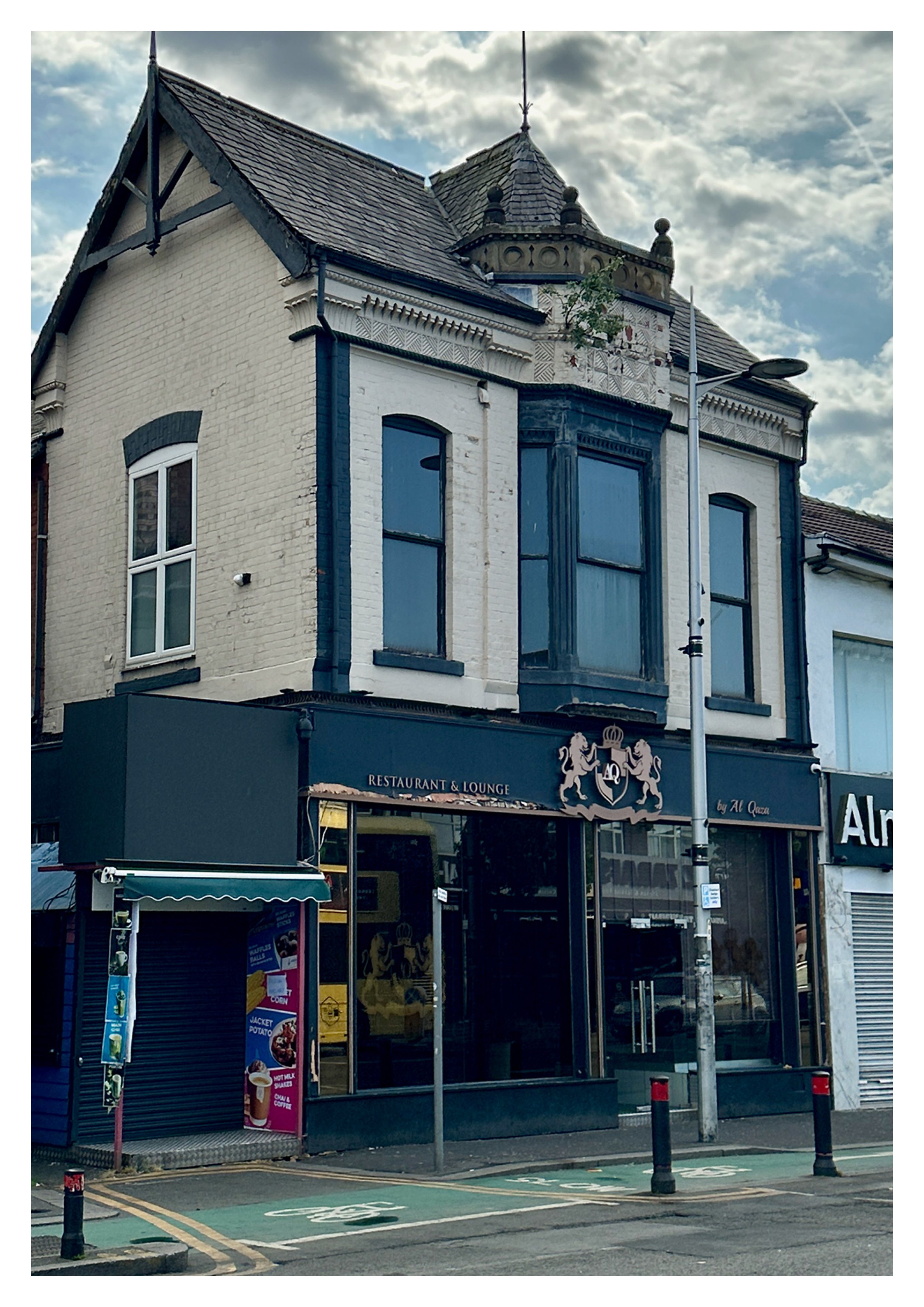
Then & Now photo comparisons
As an optional add-on, we can create a “then and now” comparison using a historic image of your building, street or nearby location alongside a present-day photograph taken from as close to the original viewpoint as possible. This can be presented as a side-by-side image, a faded overlay, or both, making it easier to see how the place has changed over time.
Creating these comparisons involves more than simply dropping two images together. We identify a suitable historic photograph, visit the location, carefully line up a new image, and then manually adjust the two views so they correspond as closely as possible. Historic cameras, lenses, street layouts and building changes mean a perfect match is not always possible, but the aim is to create a clear, engaging and accurate visual comparison that brings the research to life.
Static then-and-now comparisons can be included within your PDF report, printed booklet, website content or social media material. We can also discuss interactive digital versions, such as online sliders or fade-through comparisons, where these would be useful for your website or marketing.
Presentation and display options
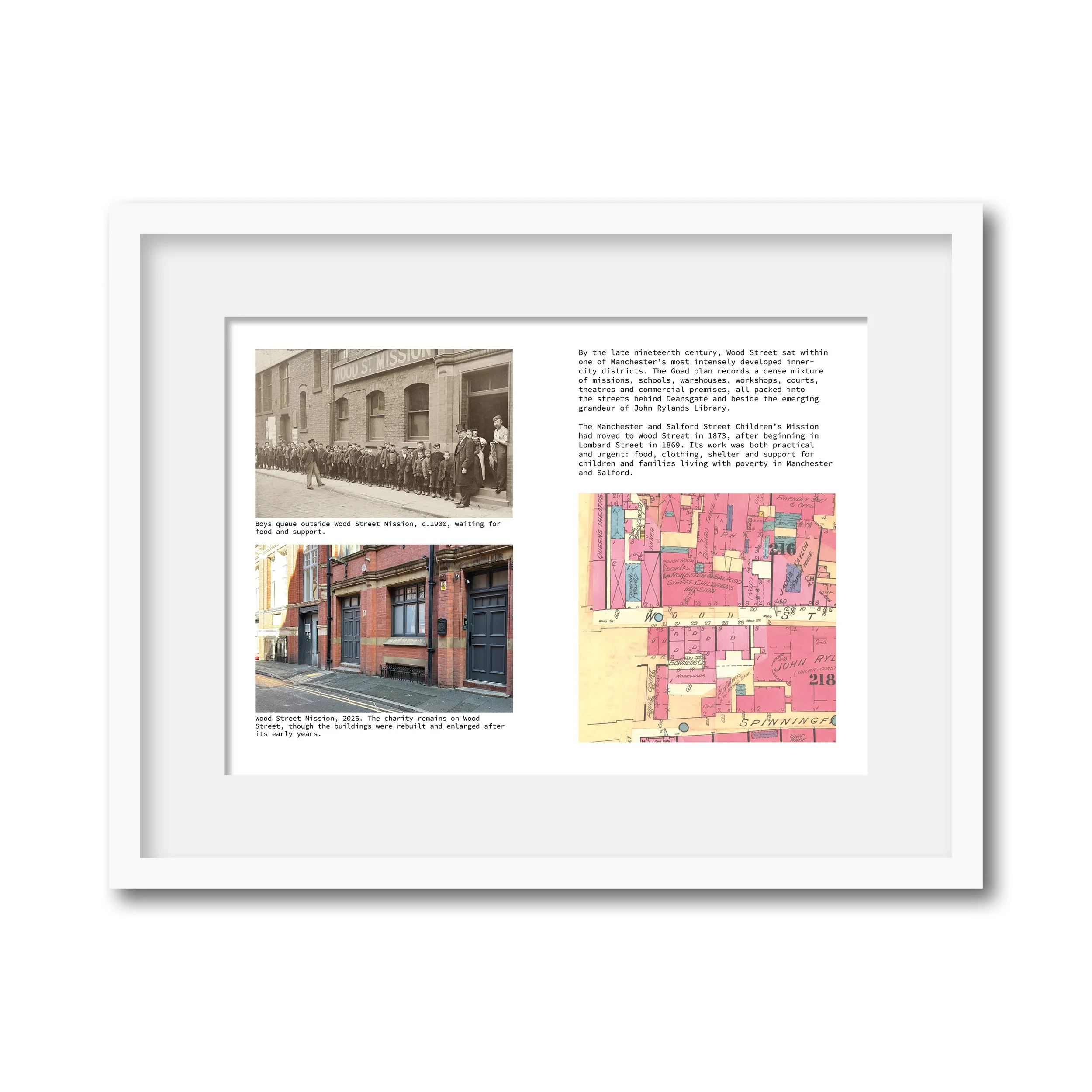
Research is most valuable when it can be seen, shared and enjoyed. As well as producing a written PDF, we can help present the story of your place in a range of formats for visitors, customers, residents, staff or guests.
This might include printed booklets for coffee tables, receptions or customer areas, framed historic photographs, maps, then-and-now comparisons, or short display panels that bring the history of the building or site into the space itself.
The aim is to make the research useful, attractive and accessible - whether it is shared digitally, displayed on a wall, used online, or printed as something people can pick up, browse and remember.
Research Packages
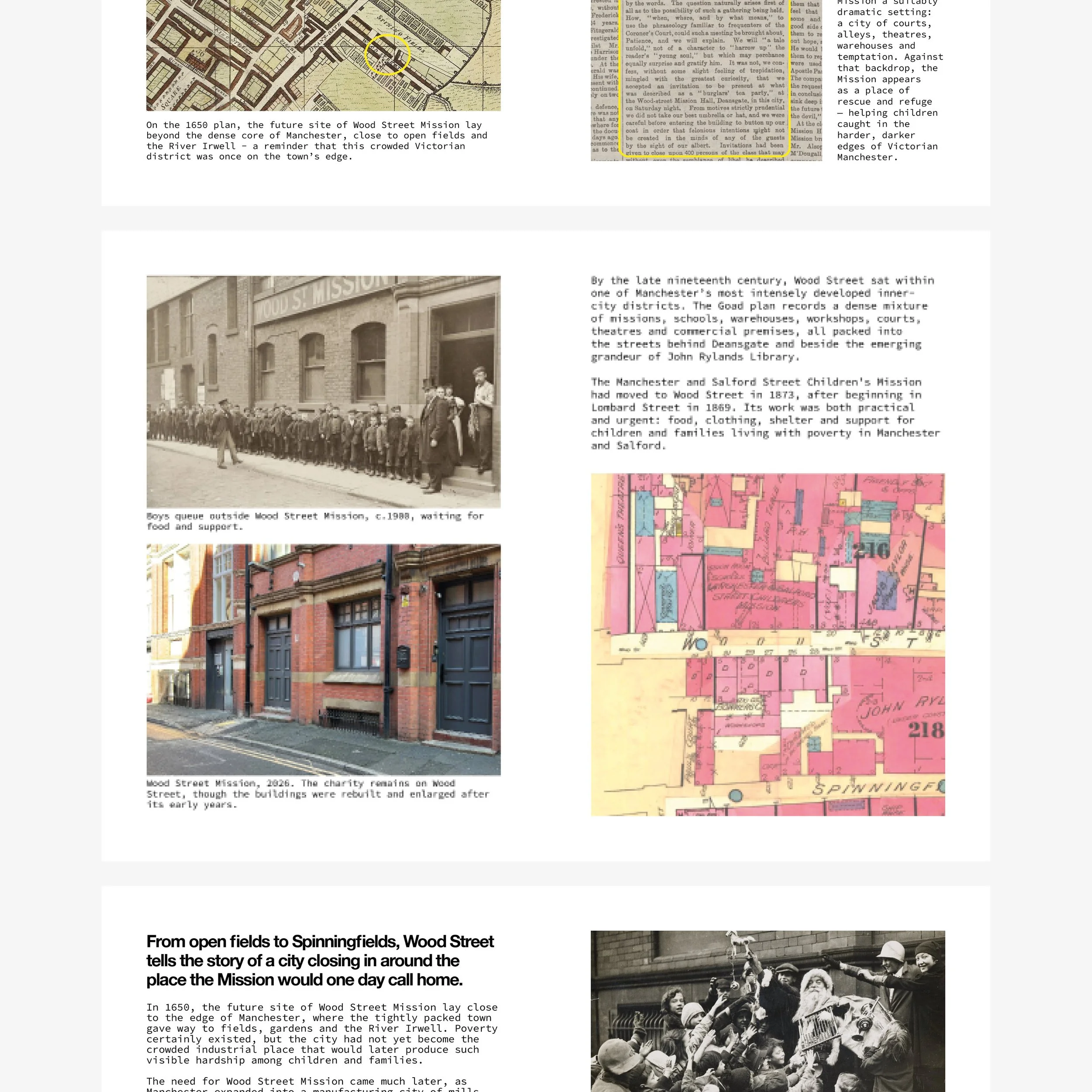
A focused, illustrated (A5 sized) PDF exploring the history of your building, site, street or local area.
This pack is designed to give you a clear and engaging overview of the place, using available historic maps, archive photographs, directories, newspaper references, planning records and local history sources where relevant. It will usually look at how the site has changed over time, what stood there before, former uses, past occupiers, and the wider context of the surrounding area.
Ideal for private interest, internal use, websites, newsletters, staff information, visitor material or as a starting point for further work.
Includes:
A researched PDF report, selected historic images/maps where available, short captions, and a clear written story of the place.
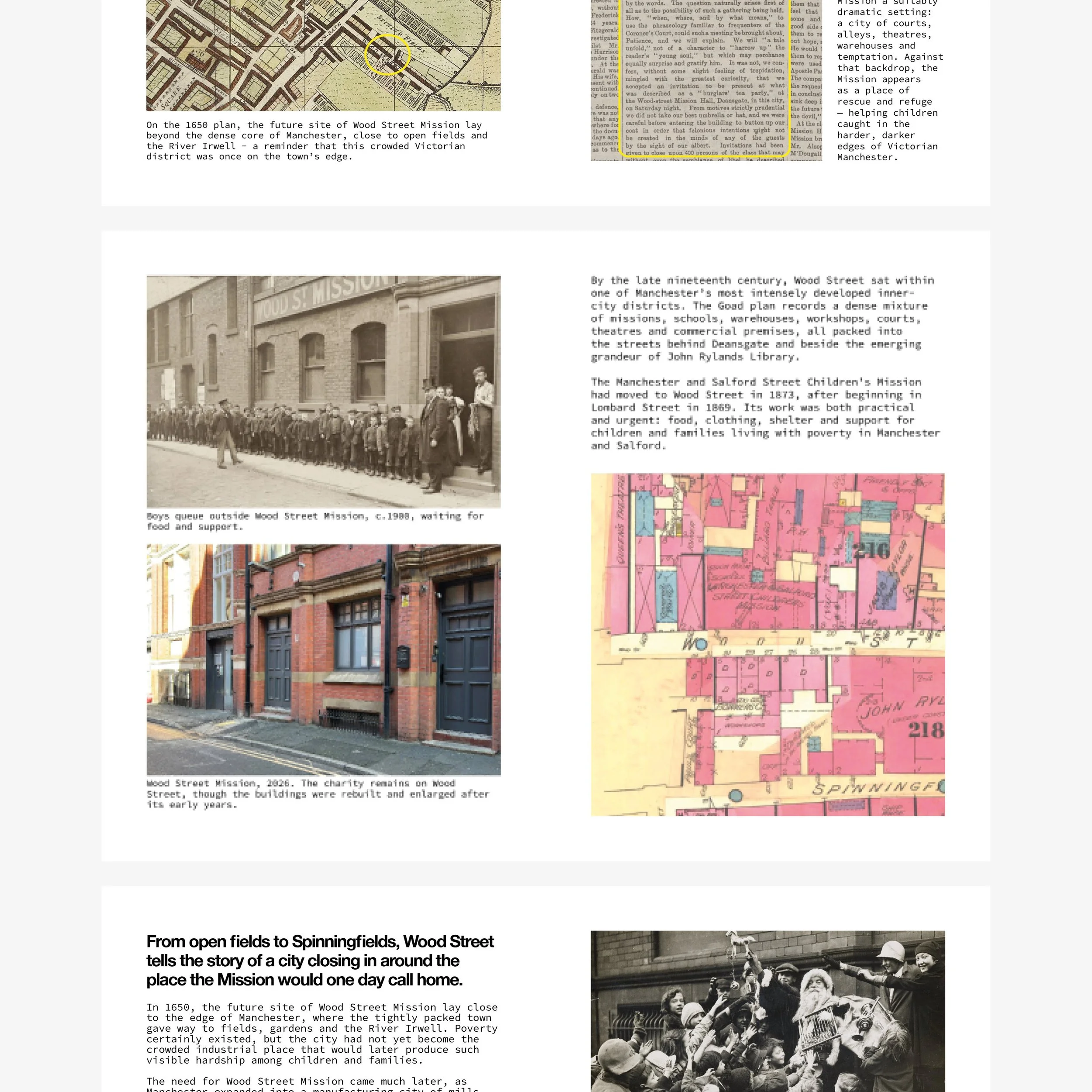
A more detailed piece of place-based research for buildings, sites or neighbourhoods with a richer or more complex story.
This option allows more time to dig deeper into archive material, historic maps, directories, newspaper articles, planning records, previous occupiers, surrounding streets, local industries and wider social history. It is suitable for places where the story needs more space, or where the research may be used for public-facing interpretation, exhibitions, development hoardings, heritage displays, press, events or more substantial printed material.
Includes:
A longer illustrated PDF report, deeper historical research, more detailed map/image analysis, stronger narrative structure, and more developed recommendations for how the story could be used.
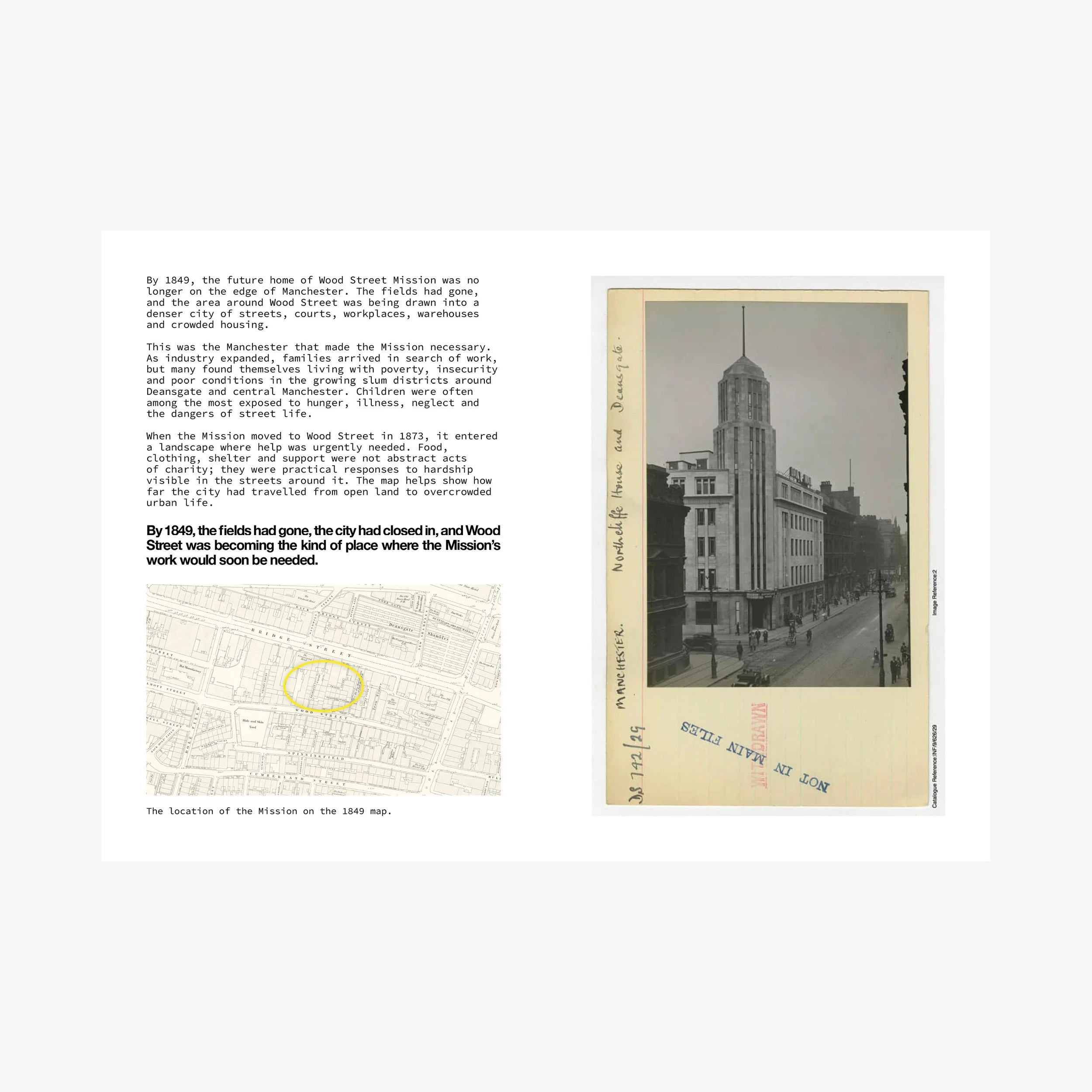
For some places, the story does not fit neatly into the original report. As the research develops, we may uncover a particular theme, person, business, building phase, map sequence, historic photograph or local story that deserves more space.
This option allows an additional illustrated double-page spread to be added to the report, either as part of the original commission or at a later stage once the initial research has been completed. It is ideal for clients who want a more substantial piece, or where the research reveals extra material worth developing into a fuller narrative.
Additional spreads can be added individually, allowing the final report or booklet to grow naturally depending on the richness of the story, the intended use and the available budget.
Additional Features
A focused map-based study showing how your site, street or neighbourhood has changed over time.
Using historic maps from different periods, we can trace former buildings, lost streets, changing boundaries, previous land uses and the wider development of the surrounding area. These maps can be especially powerful when compared with today’s buildings and streets, helping people understand what used to be there and how the modern place has evolved.
We typically include three historic maps from different periods, chosen to best show how the site, street or surrounding area has changed over time. Additional maps may be included where they add useful context.
This can be added to a research pack or commissioned as a short standalone piece.
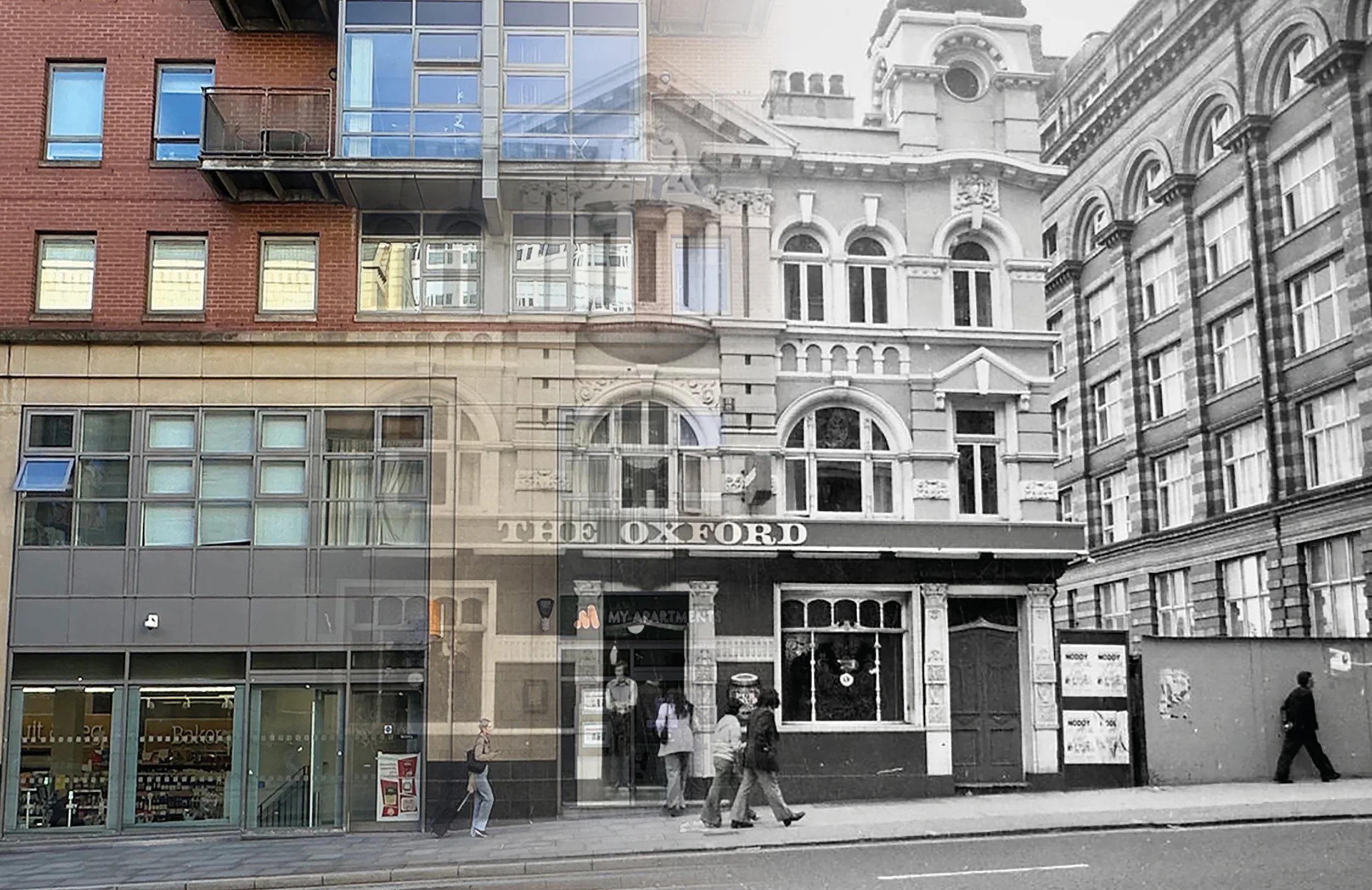
A carefully composed comparison between a historic photograph and the same view today.
This can be produced as a side-by-side image, a matched overlay, or a simple fade-style comparison for use online, in presentations, displays, social media or printed material. It can be a powerful way to show how much a place has changed… or how much of the past is still visible.
This option depends on the availability and quality of a suitable historic image, and whether the modern viewpoint can still be matched.
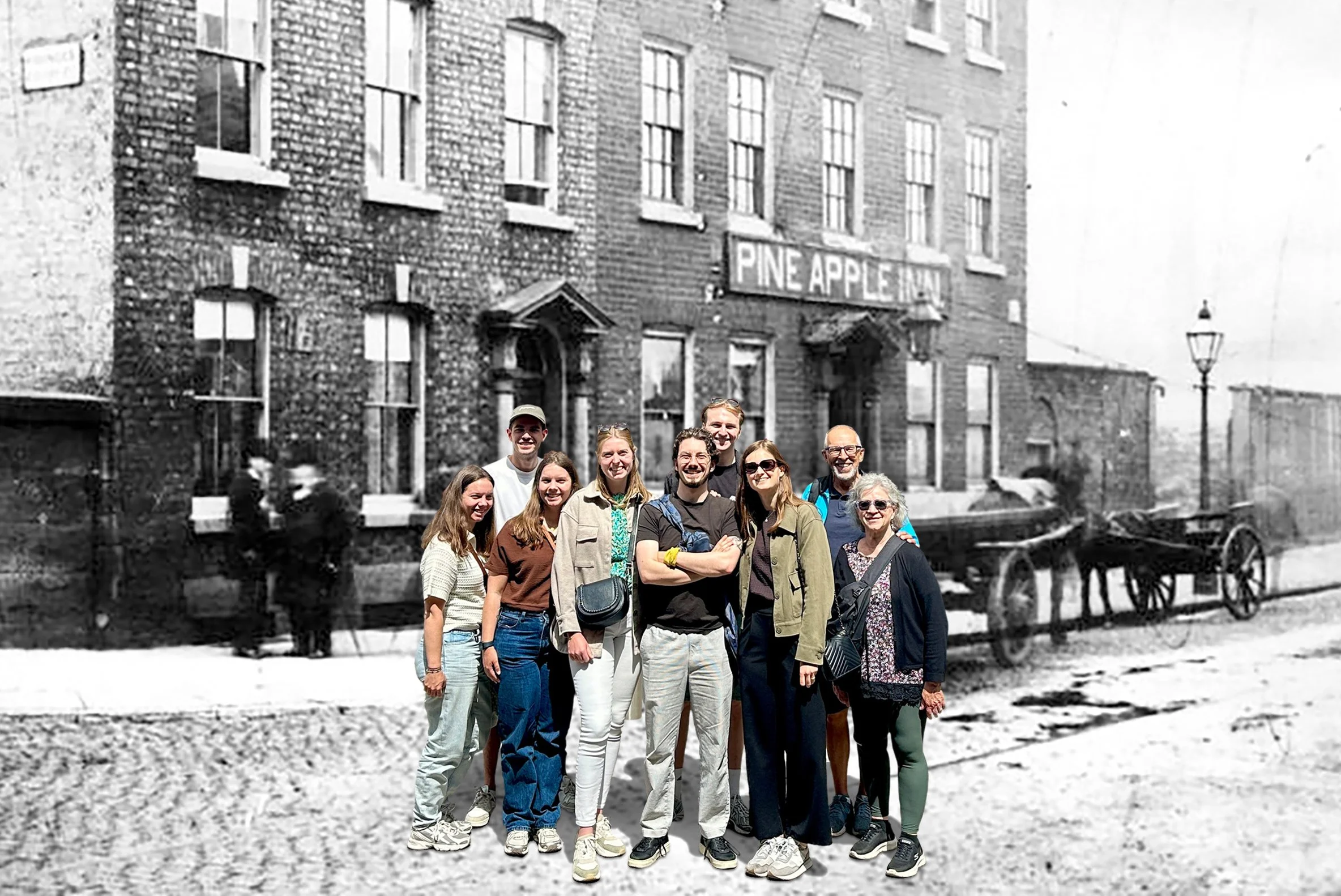
Place yourself, your team or people connected to the building directly into a historic photograph of your site.
We’ll take a carefully positioned modern photograph and digitally blend the people into an old image, creating a memorable “stepping into history” composition. It works best where we can match the angle, scale and lighting as closely as possible, so we’ll usually need to photograph the group on site or nearby before editing them into the historic scene.
This can be a great option for teams, venues, businesses, residents or families who want something more personal, playful and highly shareable… ideal for social media, websites, reception displays, printed booklets or framed pieces.
Printed + Display Options
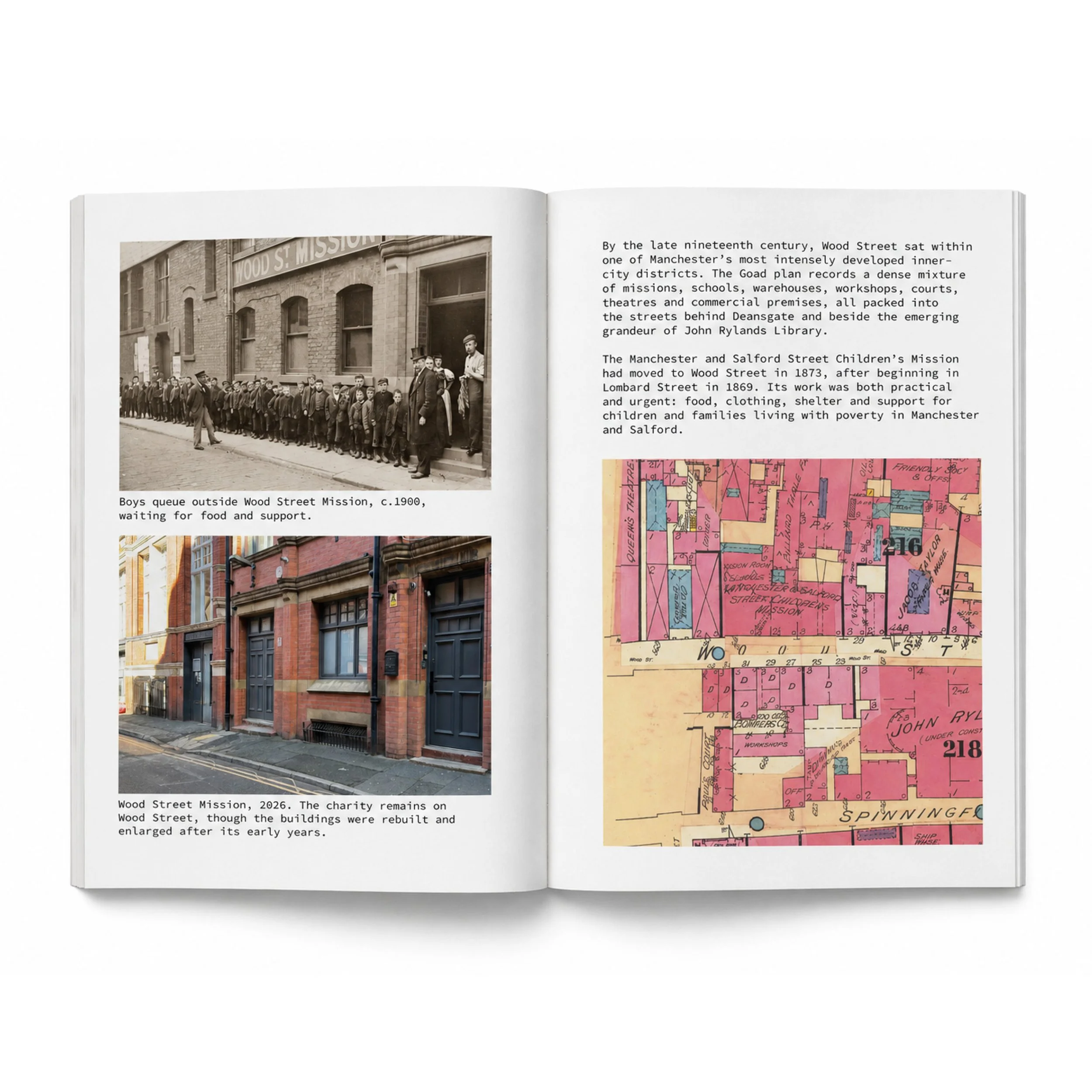
A printed booklet version of the research, designed as something people can pick up, keep and share.
This works well for hotels, venues, workplaces, residential developments, cultural spaces, anniversaries, launches, open days or client gifts. The booklet can bring together the written story, historic maps, archive photographs, captions and modern context in a more polished, physical format.
Booklets are usually based on an existing Research Pack, with design, layout and print costs priced separately depending on page count, paper choice and quantity.
25 copies of a printed booklet version of the research, designed as something people can pick up, keep and share.
This works well for hotels, venues, workplaces, residential developments, cultural spaces, anniversaries, launches, open days or client gifts. The booklet can bring together the written story, historic maps, archive photographs, captions and modern context in a more polished, physical format.
Booklets are usually based on an existing Research Pack, with design, layout and print costs priced separately depending on page count, paper choice and quantity.
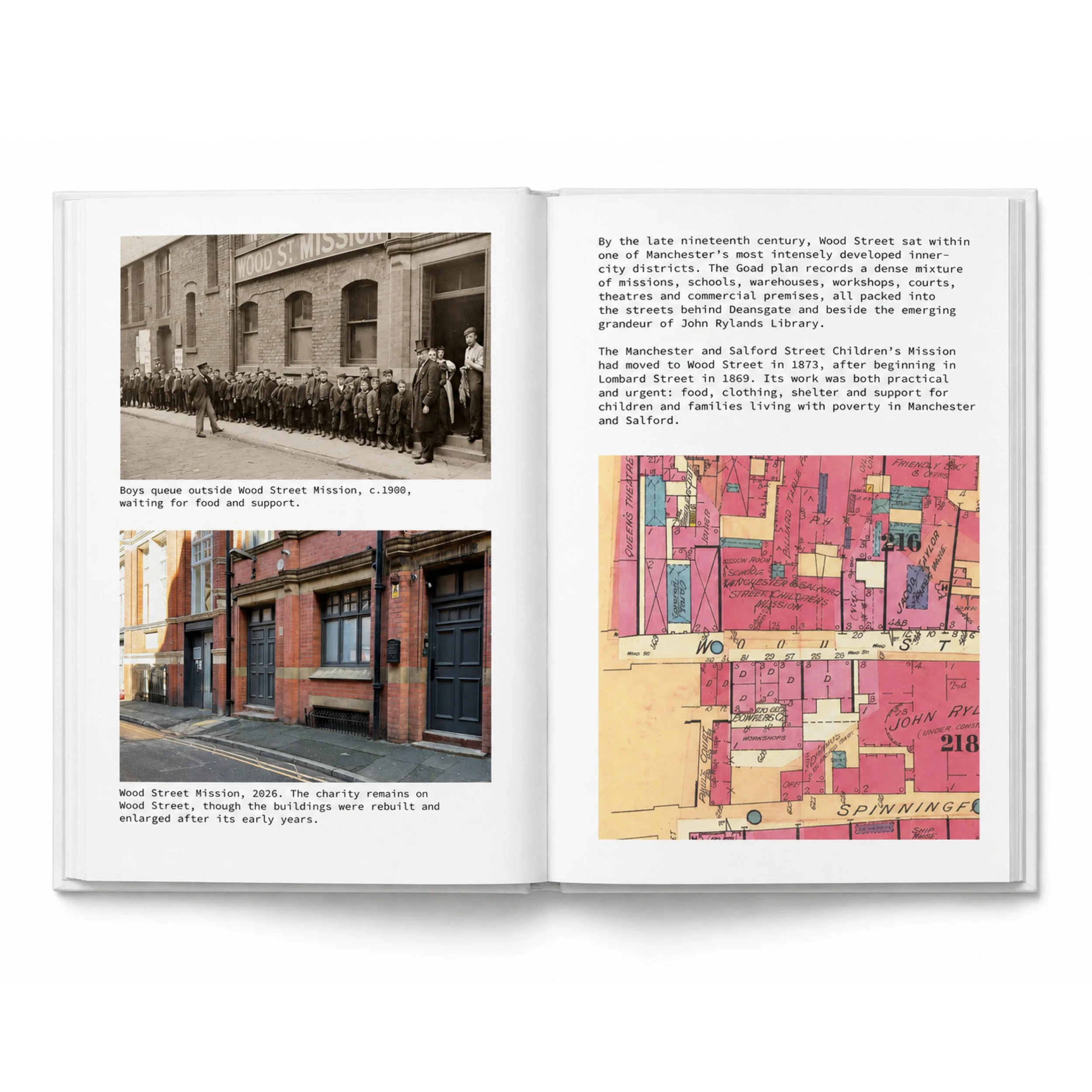
A printed book version of the in-depth version of the research (minimum 20-pages), designed as something people can pick up, keep and share.
This works well for hotels, venues, workplaces, residential developments, cultural spaces, anniversaries, launches, open days or client gifts. The booklet can bring together the written story, historic maps, archive photographs, captions and modern context in a more polished, physical format.
Books are usually based on an existing Research Pack, with design, layout and print costs priced separately depending on page count, paper choice and quantity.
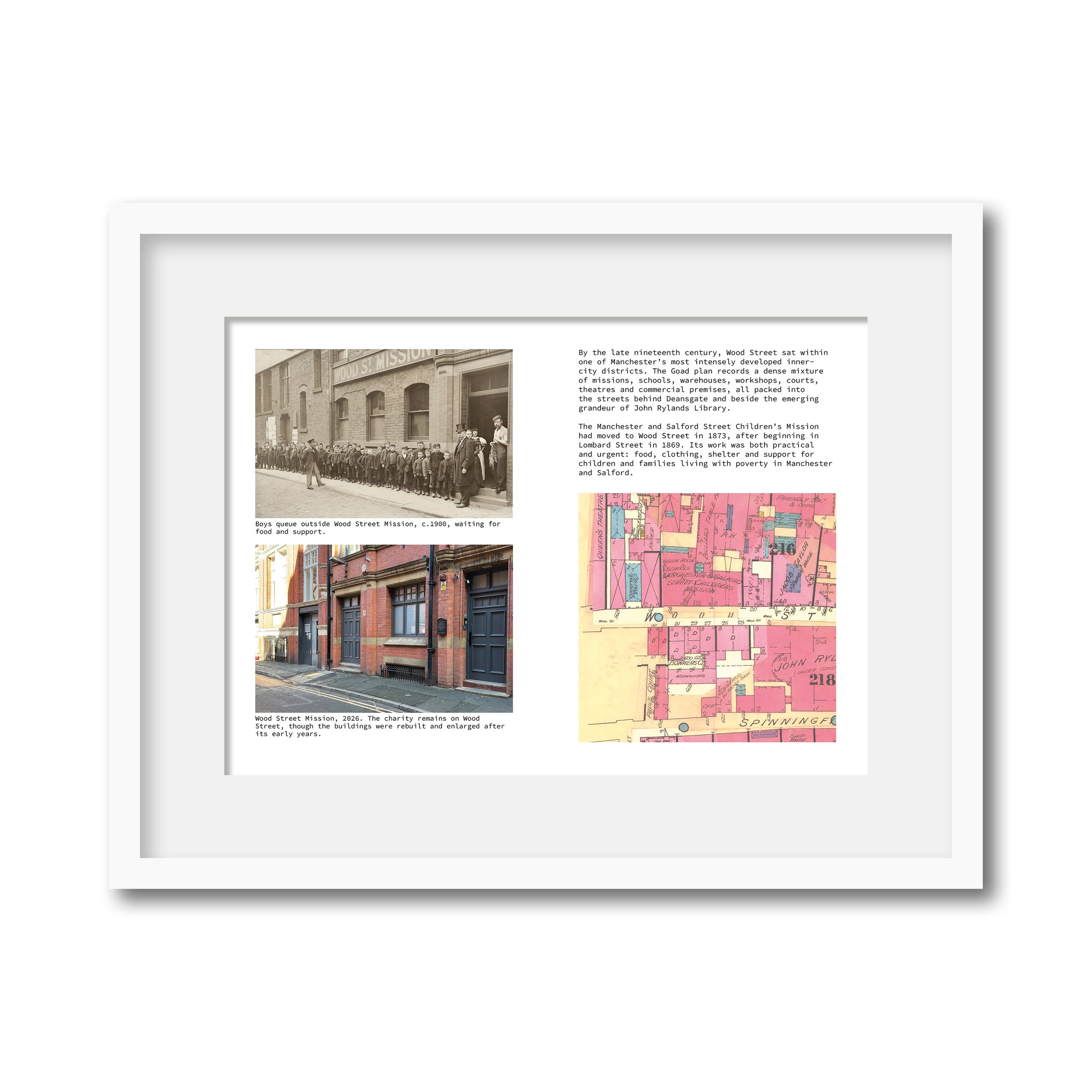
A visual piece created from the research, suitable for receptions, offices, cafés, bars, hotels, venues, meeting rooms or public-facing spaces.
This could include a historic photograph, a then-and-now comparison, a map extract, a short place story, or a combination of image and text. Each piece can be designed to help visitors, staff or customers understand the story of the building or area around them.
Final costs depend on size, framing, print quality and the number of pieces required.
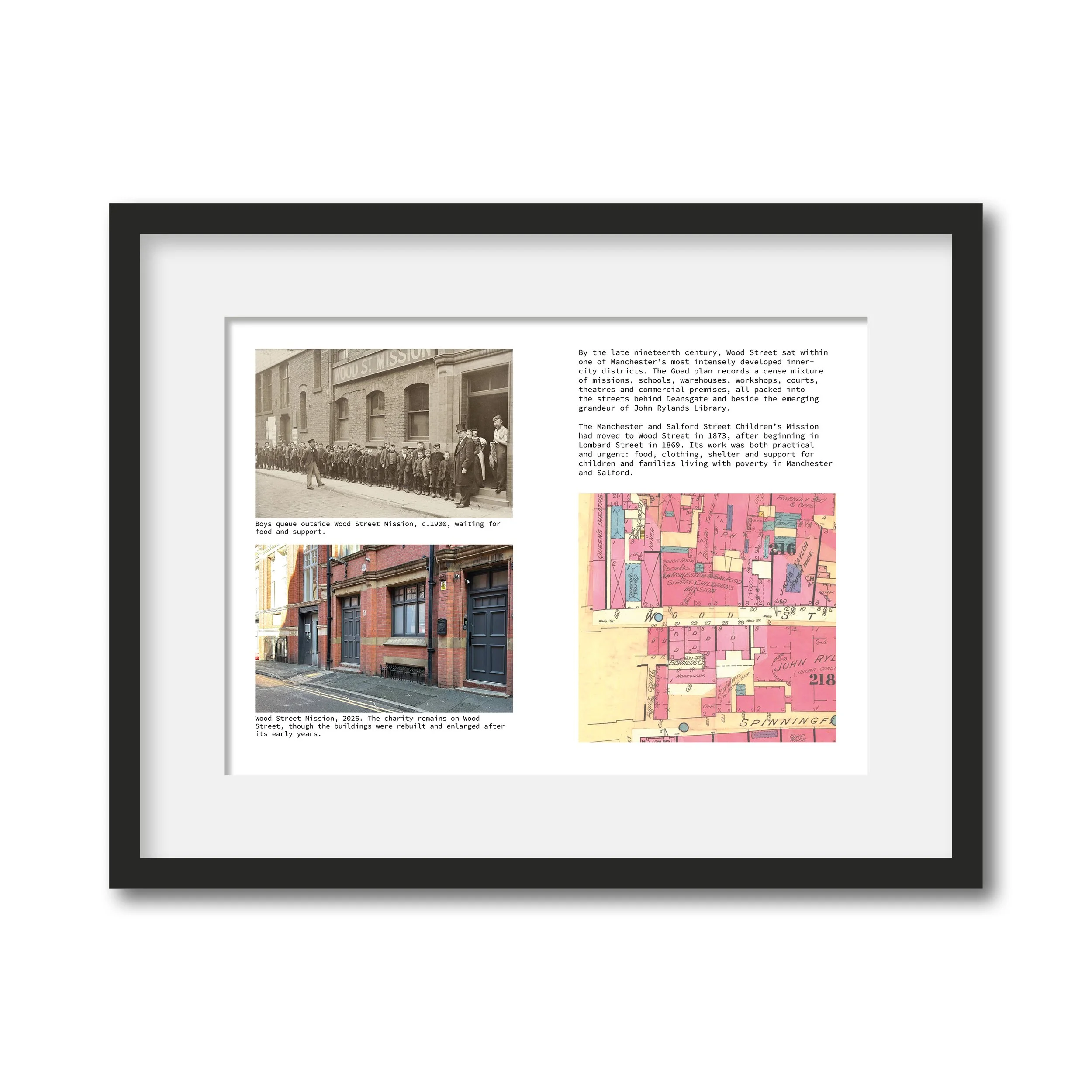
A visual piece created from the research, suitable for receptions, offices, cafés, bars, hotels, venues, meeting rooms or public-facing spaces.
This could include a historic photograph, a then-and-now comparison, a map extract, a short place story, or a combination of image and text. Each piece can be designed to help visitors, staff or customers understand the story of the building or area around them.
Final costs depend on size, framing, print quality and the number of pieces required.
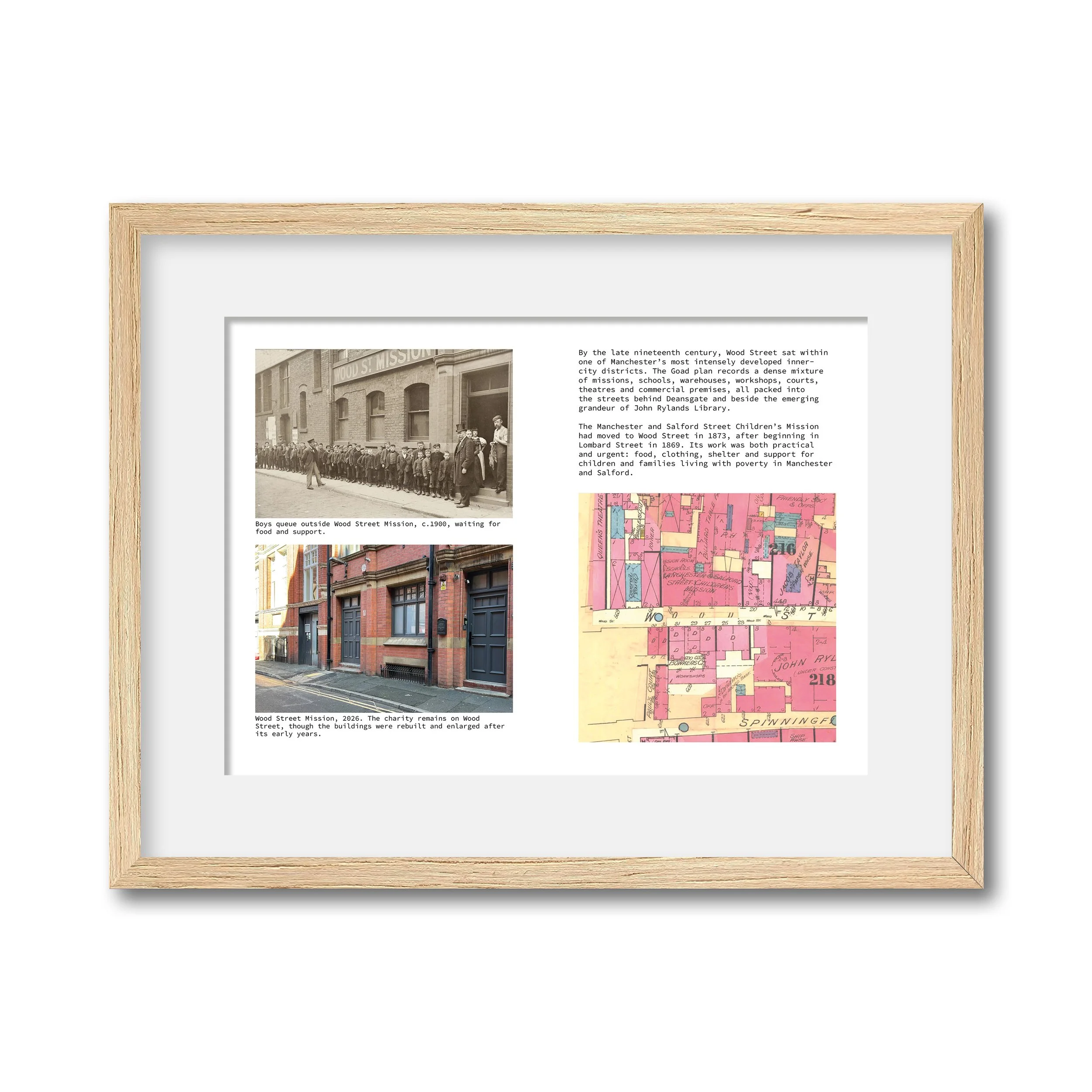
A visual piece created from the research, suitable for receptions, offices, cafés, bars, hotels, venues, meeting rooms or public-facing spaces.
This could include a historic photograph, a then-and-now comparison, a map extract, a short place story, or a combination of image and text. Each piece can be designed to help visitors, staff or customers understand the story of the building or area around them.
Final costs depend on size, framing, print quality and the number of pieces required.
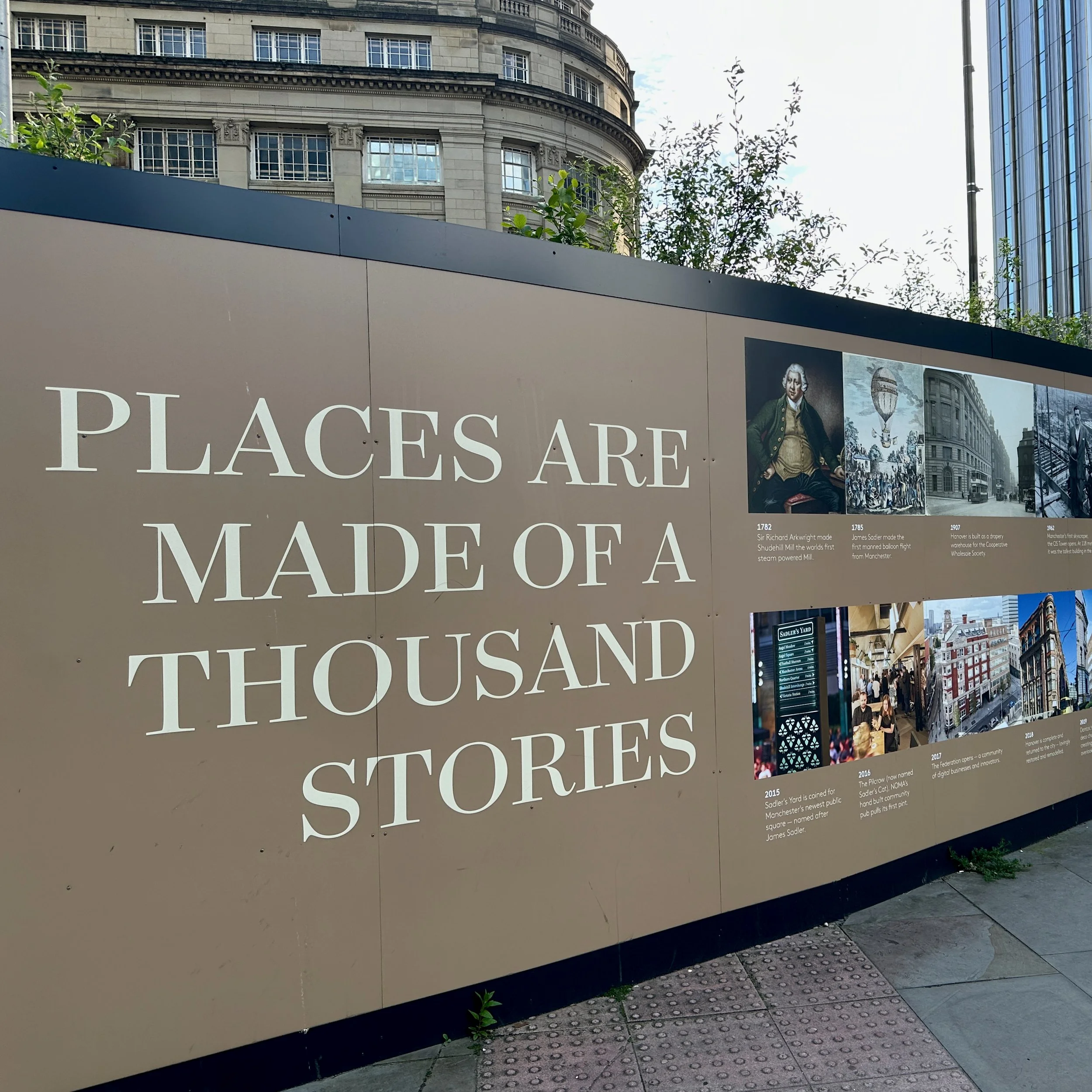
Make your site hoardings part of the story.
We can turn the research, maps, archive images and place-based content from Your Place Revealed into print-ready artwork for development or construction hoardings.
This is priced individually, as the scope can vary significantly depending on the size and number of panels, the amount of content required, the images or maps involved, and the level of design work needed.
We can liaise with your project team, marketing team, contractor or hoarding supplier where helpful. Printing, production and installation would usually be arranged separately by the client or their appointed supplier.
Make your site hoardings part of the story.
We can turn the research, maps, archive images and place-based content from Your Place Revealed into print-ready artwork for development or construction hoardings.
This is priced individually, as the scope can vary significantly depending on the size and number of panels, the amount of content required, the images or maps involved, and the level of design work needed.
We can liaise with your project team, marketing team, contractor or hoarding supplier where helpful. Printing, production and installation would usually be arranged separately by the client or their appointed supplier.